Smart Valet Service Trends That Matter
The first traffic jam your guest sees is rarely in the parking lot alone. It starts at the curb, at the entrance, and in the few seconds between arrival and handoff. That is why اتجاهات خدمة الفاليه الذكية are getting serious attention from hotels, hospitals, restaurants, corporate sites, and event venues. Smart valet is no longer about adding a digital ticket and calling it modern. It is about operating the arrival experience with precision, visibility, and guest-ready service.
For decision-makers, this shift matters because valet sits at the intersection of hospitality and operations. When it works well, it shortens wait times, protects the guest experience, and keeps site flow under control. When it is poorly designed, it creates congestion, frustrates visitors, and puts pressure on front-of-house teams that already have enough to manage.
What smart valet service actually means
Smart valet service is best understood as a coordinated operating model rather than a gadget stack. It combines trained staff, digital ticketing, dispatch visibility, traffic planning, and real-time communication into one controlled process. The goal is not to replace hospitality with technology. The goal is to make hospitality more reliable under pressure.
That distinction matters. Many sites invest in tools before they define the workflow. The result is usually predictable: a faster handoff in one step, but confusion somewhere else. A truly smart setup aligns arrival lanes, staffing levels, vehicle staging, retrieval logic, and guest communication so the whole experience feels organized from the first moment.
The biggest اتجاهات خدمة الفاليه الذكية today
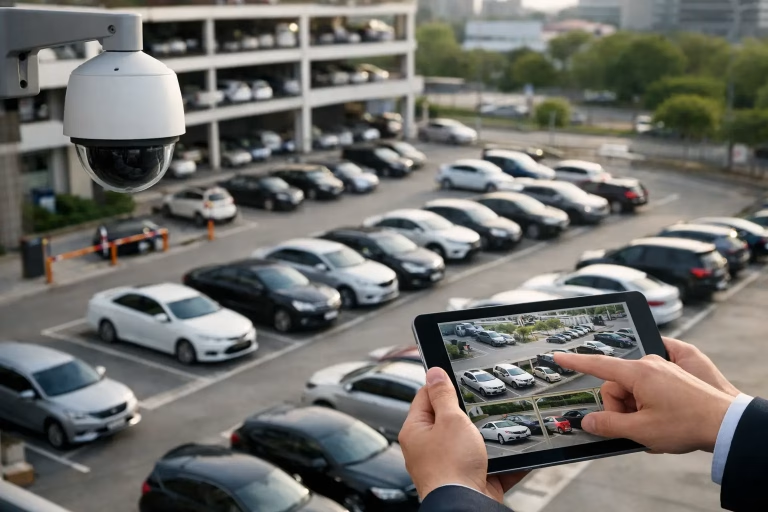
The strongest trend is the move from manual coordination to live operational visibility. Managers increasingly want to know how many vehicles are in custody, where they are parked, how long retrieval takes, and where delays begin. Digital systems now make that easier, but the real value is not in the dashboard itself. It is in the decisions teams can make minute by minute.
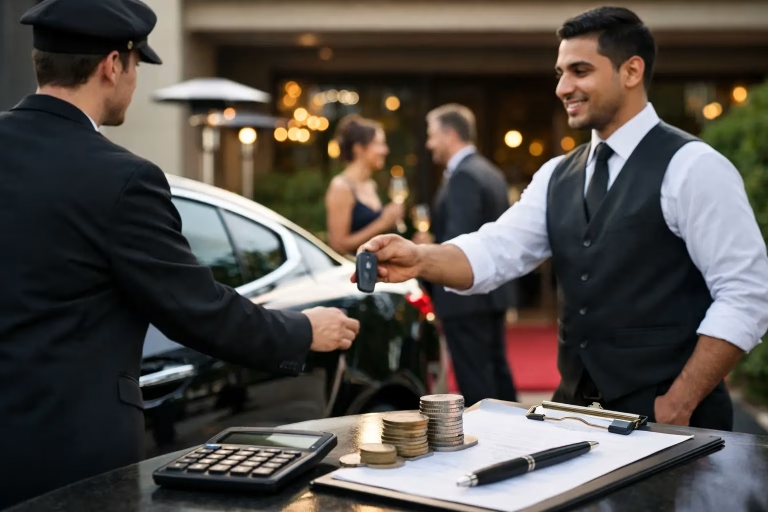
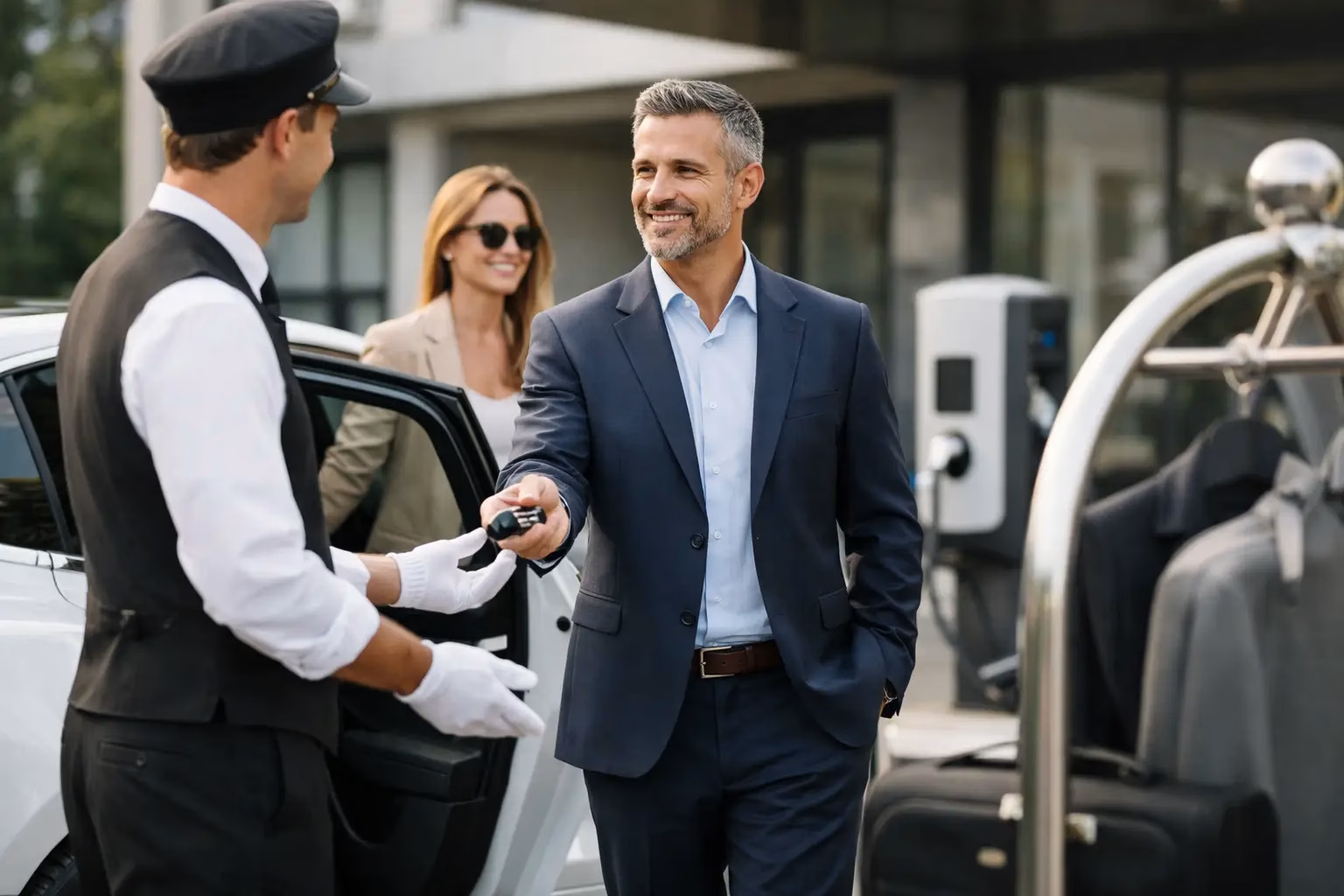
A second trend is mobile-first ticketing. Paper stubs still exist, but they are losing ground in higher-expectation environments. QR-based or SMS-supported workflows reduce ticket loss, speed up retrieval requests, and create a cleaner chain of custody. For the guest, that feels efficient. For the operator, it improves control and accountability.
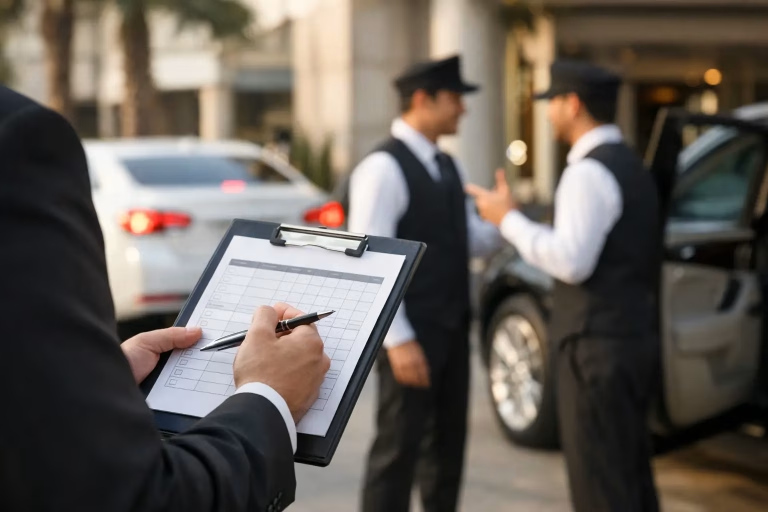
Another clear shift is the rise of demand-based staffing. Not every property needs the same valet model all day. A business hotel has different traffic peaks than a wedding venue. A hospital entrance behaves differently from a fine dining restaurant. Smart valet programs increasingly use historical traffic patterns and event forecasting to match labor to actual demand instead of relying on flat staffing assumptions.
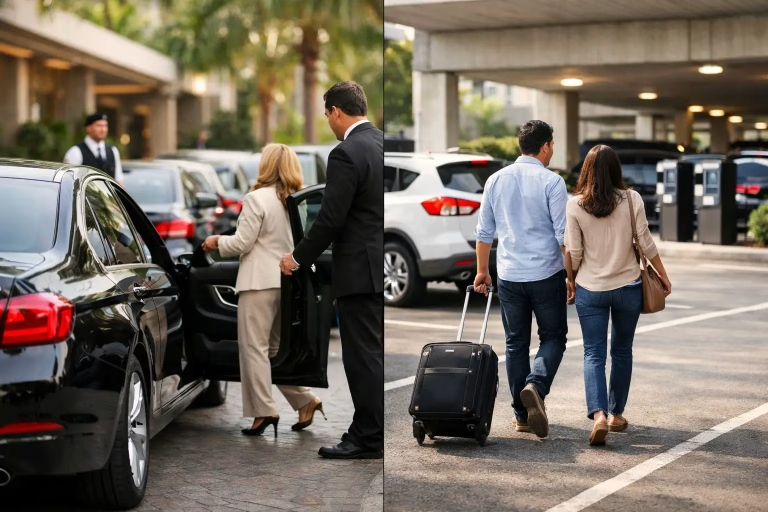
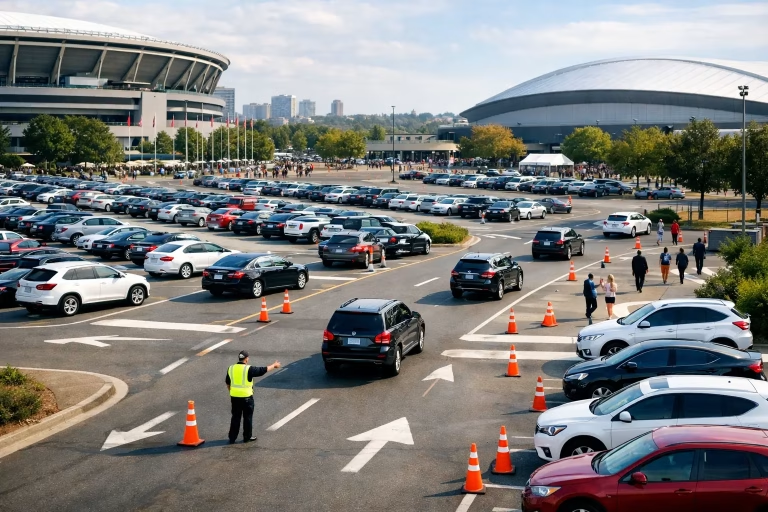
There is also a growing emphasis on arrival design. More operators now treat the curbside zone as a managed experience rather than a passive drop-off point. That means clearer vehicle sequencing, better signage, dedicated lanes when possible, and handoff protocols designed to reduce conflict between private cars, ride-hailing vehicles, and service traffic. In busy urban locations, this can make a bigger difference than software alone.
Why smart valet is becoming a brand issue, not just an operations issue
For guest-facing businesses, valet is part of brand expression. A premium property cannot afford a disorganized arrival. A medical facility cannot allow confusion at the entrance to add stress to an already sensitive visit. A major event cannot create elegance inside while chaos builds outside.
This is why smart valet is moving closer to executive attention. It affects first impressions, perceived service quality, and guest confidence. It also influences how the rest of the front-of-house team performs. When arrival flow is controlled, reception, concierge, security, and event staff can focus on their roles instead of absorbing preventable parking issues.
The commercial effect is easy to underestimate. Faster and more orderly arrivals can improve guest satisfaction, reduce complaints, and support stronger repeat behavior. In some environments, especially hospitality and premium dining, that first interaction shapes how every following interaction is judged.
Technology helps, but only when the operating model is sound
One of the more common mistakes in this space is assuming that a digital valet platform automatically fixes service quality. It does not. If the lane design is weak, staffing is inconsistent, and retrieval parking is poorly planned, technology will simply document the inefficiency more clearly.
The better approach starts with site realities. How many arrival points does the property have? What are the peak periods? Is there overflow capacity? How far are parked vehicles from the retrieval point? Are there separate patterns for weekday and weekend traffic? Those answers should shape the service model before any tool is introduced.
This is especially relevant for multi-use properties and event-heavy venues. A valet system that works perfectly for normal hotel operations may struggle during a conference load-in or a high-volume wedding. Smart service requires flexibility in both staffing and physical planning.
Where automation is useful and where human service still leads
Not every part of valet should be automated. Guest communication, vehicle tracking, and request handling benefit greatly from digital support. They become faster, easier to audit, and less vulnerable to missed handoffs. But the arrival experience still depends on professional human judgment.
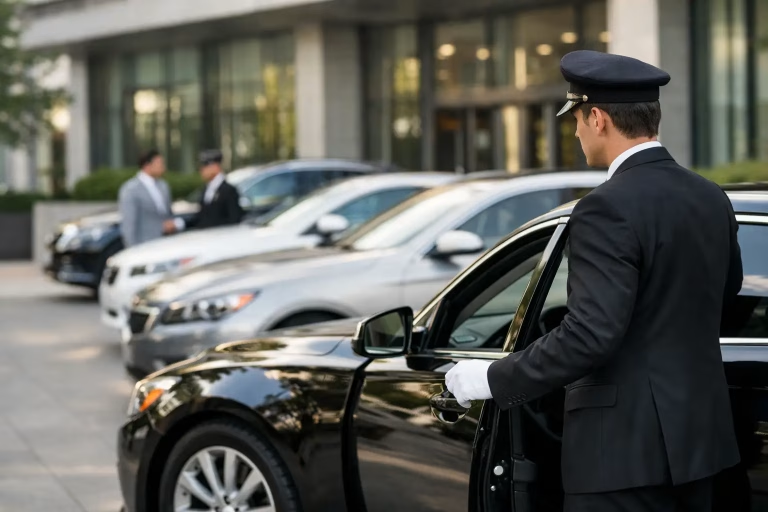
Guests do not remember the ticket format as much as they remember whether the greeting was calm, respectful, and confident. They notice whether staff can manage pressure without losing composure. They remember whether special situations were handled gracefully, from VIP arrivals to accessibility needs to sudden traffic surges.
That is why the strongest smart valet operations combine disciplined service training with practical technology. The balance matters. Too much dependence on staff memory creates inconsistency. Too much dependence on tools can make the service feel cold or rigid. In premium environments, the right standard is digital efficiency with polished human delivery.
What different properties should prioritize
Hotels usually benefit most from retrieval speed, guest recognition, and around-the-clock consistency. Their challenge is not only volume but variability. Early departures, evening returns, group arrivals, and VIP handling can all happen within the same shift.
Hospitals and medical facilities need a different emphasis. Clear traffic flow, safety, and patient-sensitive service matter more than theatrical luxury. The right smart valet design here reduces friction and keeps entrances calm for patients, visitors, and emergency-adjacent movement.
Restaurants and lifestyle venues often care most about curb appeal and peak-hour turnover. Their valet program needs to absorb short intense bursts of traffic without creating visible disorder at the front entrance.
For events, the key is staging and surge management. The arrival and departure windows are compressed, and mistakes become highly visible very quickly. Smart valet in this context means pre-planned lane use, active communication, and staffing built around the event timeline rather than a standard daily pattern.
How to evaluate a smart valet partner
A credible provider should speak as clearly about flow control as they do about service etiquette. If the conversation stays at the level of devices and apps, that is usually a warning sign. You want a partner who can explain custody procedures, insurance responsibility, retrieval logic, overflow planning, and staffing response during high-pressure periods.
It is also worth asking how the service adapts by property type. A standardized baseline is useful, but a one-size-fits-all model rarely performs well. The best operators build the service around the site, the guest profile, and the actual traffic pattern.
For many businesses in Saudi Arabia, this matters even more during seasonal peaks, special events, and high-volume weekends. Execution has to remain composed when pressure rises. That is where smart valet proves its value – not on a quiet afternoon, but when the curb is full and the guest still expects an elegant arrival.
What comes next for smart valet
The next phase is less about flashy innovation and more about integration. Expect smarter coordination between valet systems, property operations, access control, and guest communication. That will help teams anticipate demand earlier and respond with more precision.
At the same time, expectations will keep rising. Guests are increasingly comfortable with digital interactions, but they still judge service by speed, clarity, and courtesy. That means the future of valet will favor operators who can combine visibility, discipline, and hospitality without making the process feel mechanical.
For brands that care about first impressions, smart valet is no longer a nice extra. It is part of how the property presents itself under real operating conditions. And in environments where trust, order, and guest comfort carry commercial weight, that first handoff deserves more attention than it usually gets.