How to Streamline Event Guest Parking Fast
A guest who spends 20 minutes circling a venue or waiting behind an unmanaged vehicle does not arrive ready to enjoy the event. They arrive frustrated. Knowing how to streamline event guest parking is therefore not simply a logistics exercise. It is a direct way to protect the event’s first impression, maintain schedule discipline, and give every guest a more polished welcome.
For conferences, weddings, corporate gatherings, and high-volume hospitality events, parking pressure usually appears in a short window. Hundreds of guests may arrive within the same 30 to 60 minutes, often through a single entrance or on roads that were not designed for event traffic. The solution is not just adding more attendants. It is creating a controlled operating plan that connects traffic flow, guest communication, valet service, capacity management, and vehicle handover.
Start With the Arrival Pattern, Not the Parking Lot
The most effective parking plan begins before the first vehicle arrives. Event organizers should estimate not only attendance, but also how guests will arrive. A formal wedding may involve families arriving in groups, VIP vehicles, vendors, and late arrivals. A corporate conference may create a sharp morning peak, followed by smaller exit waves between sessions. A gala at a hotel can overlap with regular hotel traffic, restaurant guests, and service deliveries.
This distinction matters because the number of parking spaces alone does not determine whether the operation will run well. The real question is whether vehicles can enter, hand over keys, be parked, and leave the arrival lane quickly enough during the busiest period.
A site review should identify the event entrance, the available curbside length, turning points, pedestrian crossings, overflow areas, and the route between the drop-off zone and parking inventory. It should also account for any shared access with neighboring businesses or venue operations. In dense settings such as Jeddah, Makkah, or Madina, road access and peak traffic conditions can affect the plan as much as the venue’s own lot.
Build a Guest Parking Flow That Has Clear Zones
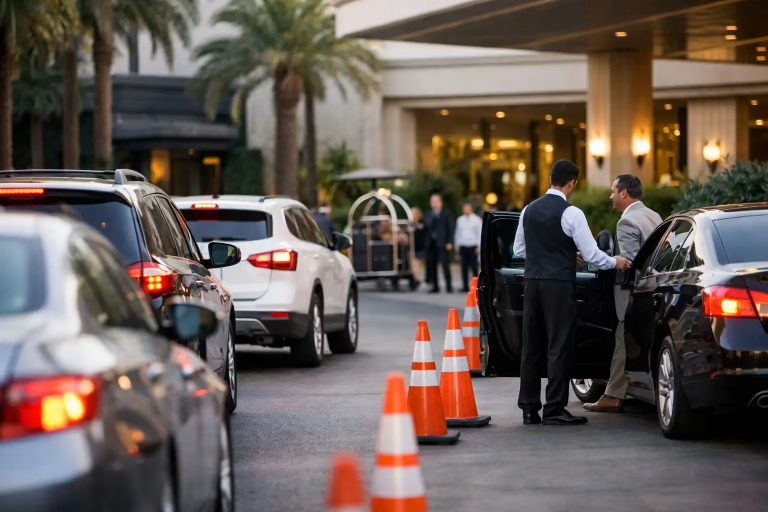
When every vehicle is directed to the same point without clear roles, congestion builds quickly. The most reliable approach is to divide the arrival area into defined operating zones. Guests should be able to recognize where to enter, where to stop, where to walk, and where to collect their vehicles later.
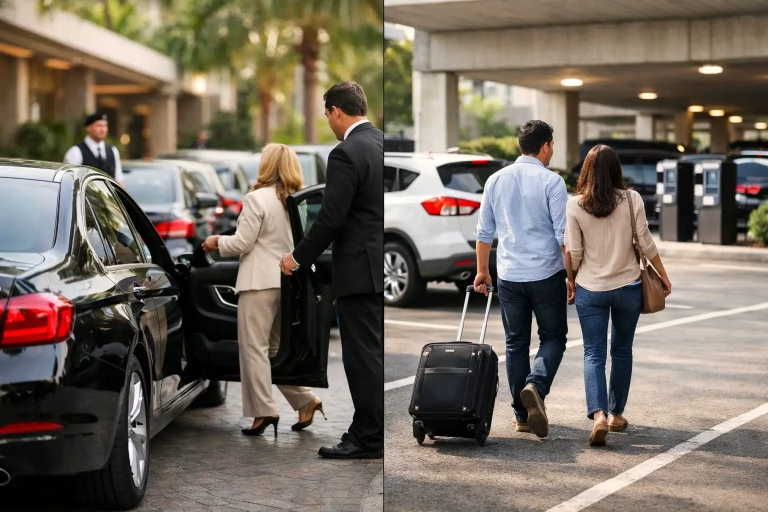
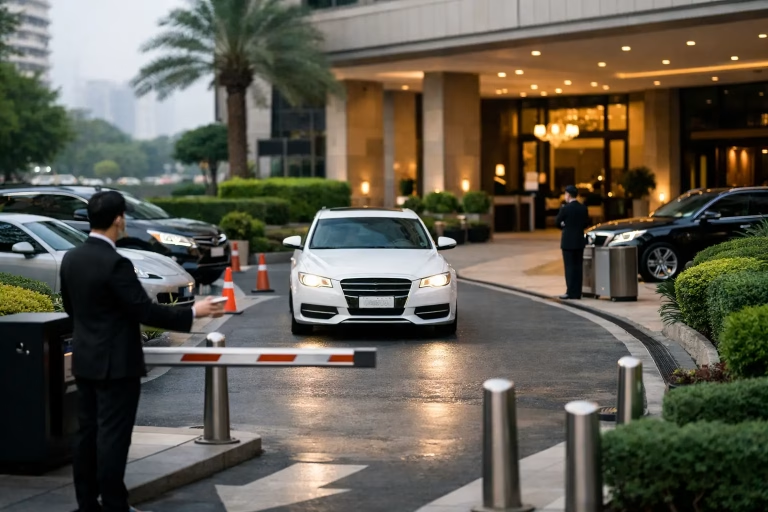
A professional event parking layout typically includes an approach lane for incoming vehicles, a brief drop-off or valet handover area, a protected pedestrian route, and a controlled exit lane. If the event has VIPs, speakers, elderly guests, or guests requiring accessible access, those movements should be planned separately rather than handled as exceptions in the moment.
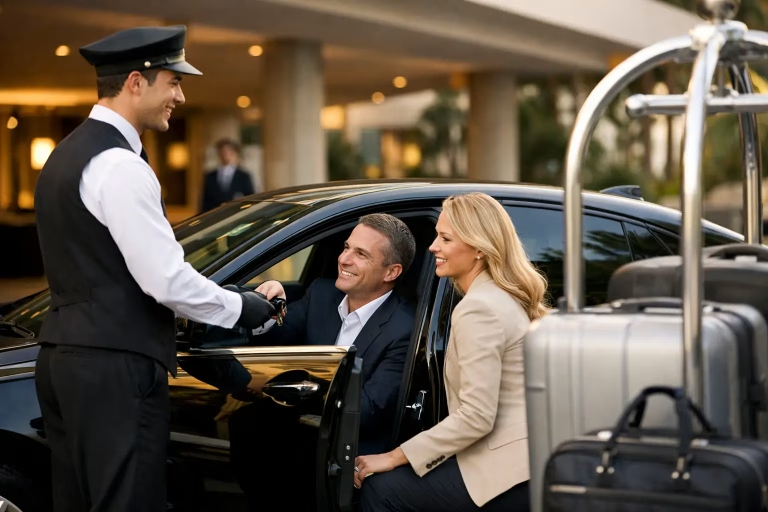
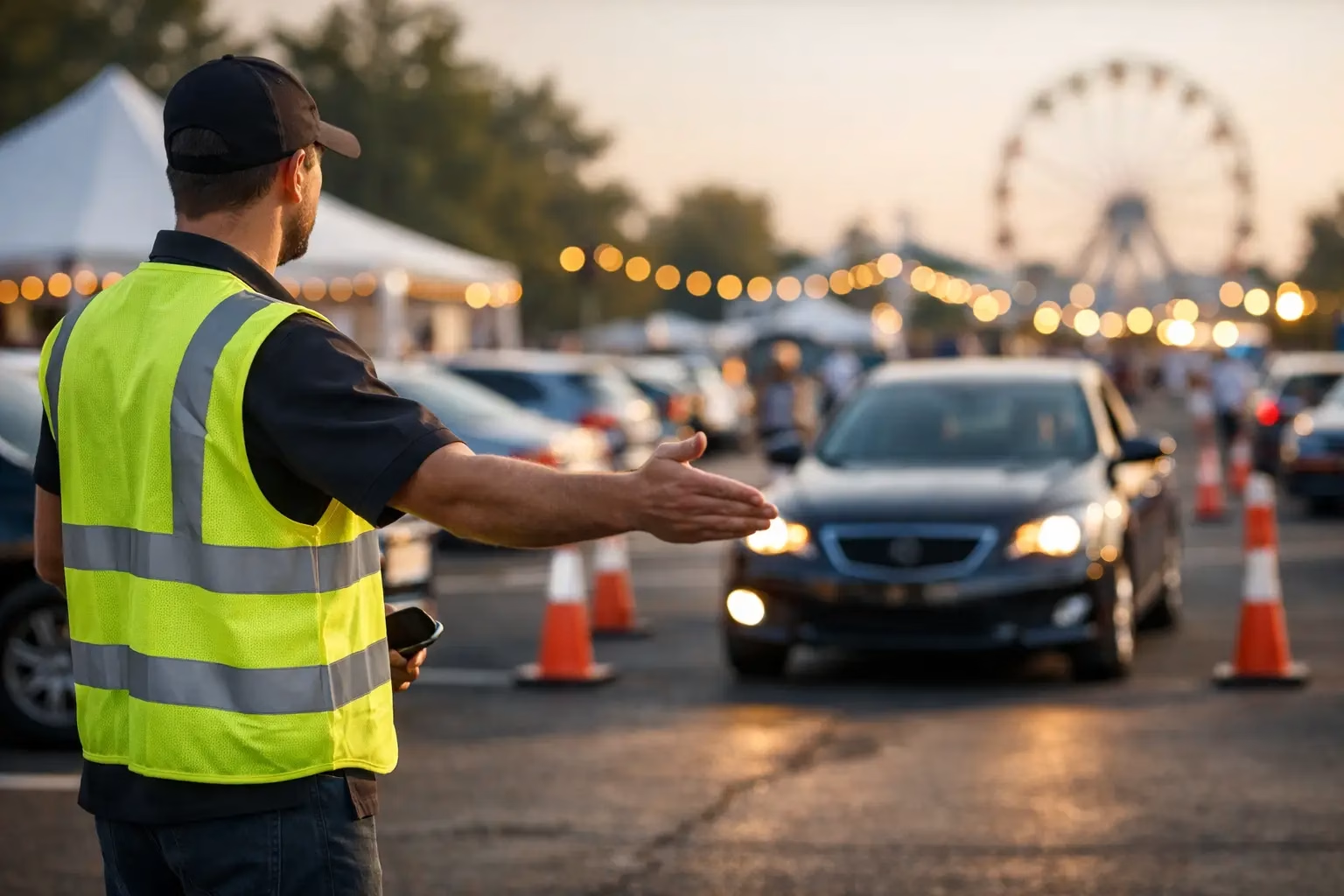
Signage should support the team, not replace it. Directional signs are useful before guests reach the busiest point, especially where a venue has multiple entrances. At the curb, trained staff provide the assurance that signage cannot: a clear greeting, confident direction, and immediate action. This is where parking becomes part of hospitality rather than an obstacle before the event.
Keep the Handover Short and Consistent
The vehicle handover process should take only the time needed to confirm the guest’s details, secure the vehicle, and move it safely into the parking operation. Long conversations, unclear ticketing, or attendants searching for instructions while vehicles wait behind them will slow the entire entrance.
Digital ticketing can reduce errors and improve retrieval later in the event. It gives the team a traceable record of each vehicle, supports accurate key control, and allows guests to request their car before they reach the exit area. However, technology should be selected to suit the event. For a small private gathering, a well-controlled manual process may be sufficient. For a large conference or high-end wedding, digital records and organized dispatch are often worth the added coordination.
Match Staffing to the Peak, Not the Average
A common planning mistake is staffing based on the total number of guests rather than the speed of arrival. An event with 300 attendees spread over three hours needs a very different parking operation than an event with 300 attendees arriving in 35 minutes.
The right staffing model considers four connected factors:
- Expected vehicles per hour during arrival and departure peaks
- Distance between the valet stand and assigned parking areas
- Vehicle mix, including SUVs, luxury vehicles, shuttle buses, and vendor vehicles
- The number of entrances, exits, and pedestrian crossing points that require supervision
Experienced valet teams are especially valuable when the parking inventory is not directly beside the venue. Every extra minute spent walking to and from a parking area reduces the number of vehicles a single attendant can process. In these cases, dispatch coordination, runners, and a designated vehicle staging area can prevent the front entrance from becoming overloaded.
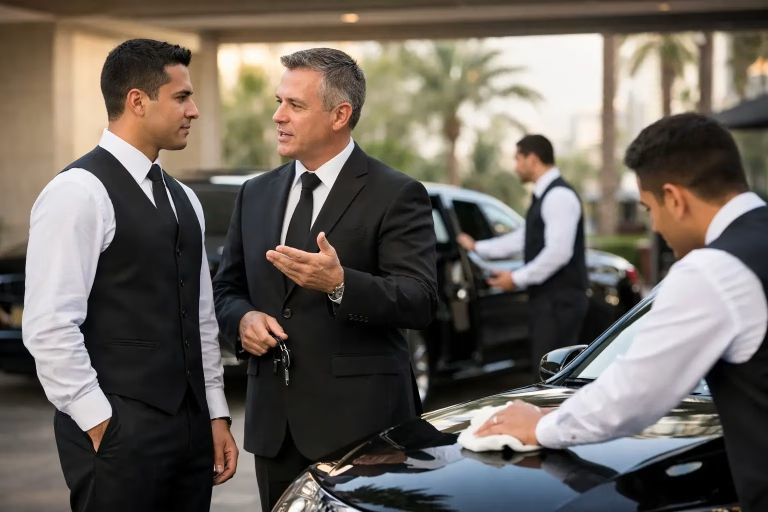
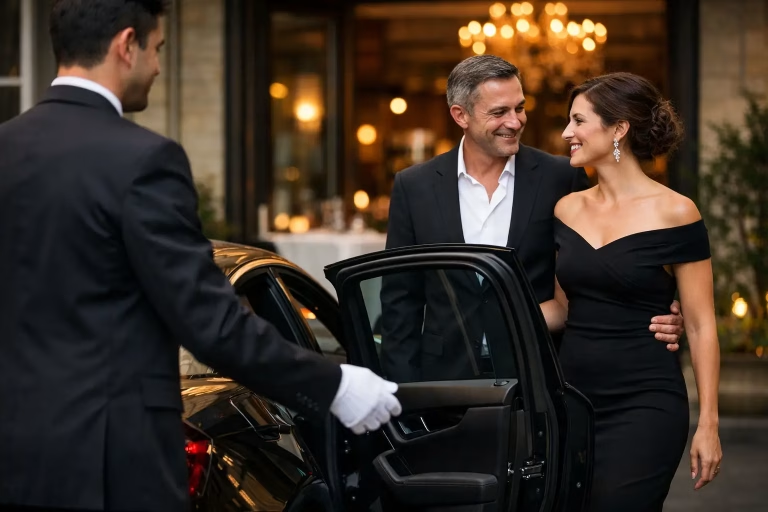
Staff training should cover more than driving and key handling. Attendants need to communicate respectfully under pressure, recognize when an arrival lane is beginning to back up, direct guests without creating confusion, and escalate issues promptly. At a premium event, professionalism is visible in the small moments: opening a door safely, helping a guest with mobility needs, confirming the vehicle record, and keeping the entrance composed even at peak volume.
Control Capacity Before It Becomes a Problem
Parking capacity should be managed as a live operating figure, not a number written into the event plan and forgotten. A venue may technically have enough spaces, yet still experience delays because certain areas are blocked, reserved, difficult to access, or too far from the event entrance for the planned staffing level.
Before the event, divide capacity into practical categories: valet inventory, self-parking inventory, VIP spaces, accessible spaces, vendor parking, and overflow capacity. Assigning these categories in advance avoids last-minute decisions that can disrupt guest movement.
During the event, the parking lead should know how many spaces remain in each area and when to activate overflow. Waiting until the main lot is full creates rushed decisions and sends vehicles into the wrong lanes. A controlled switch to an overflow area, supported by clear staff direction and transportation if needed, protects the guest experience far better than improvised parking.
For events with extended programs, departure planning deserves equal attention. Guests often leave in clusters after a keynote, a dinner service, or the final ceremony. If vehicle retrieval is not organized, the venue entrance can become congested at precisely the moment guests are forming their final impression.
Plan Retrieval Before Guests Request Their Cars
A valet operation should anticipate the departure wave. Teams can stage vehicles progressively when the program is nearing its end, while still maintaining security and avoiding unnecessary exposure of cars in active traffic areas. Guests who request their vehicles through a ticketing process should receive clear instructions on where to wait and how long retrieval is expected to take.
For VIP guests or scheduled departures, pre-arranged retrieval provides an added level of service. For larger audiences, a dedicated pickup zone prevents arriving vehicles from mixing with those leaving. The aim is simple: no guest should need to search for an attendant, stand in a traffic lane, or wonder where their vehicle has gone.
Coordinate Parking With the Entire Event Team
Guest parking cannot be planned in isolation. The venue manager, security provider, event planner, catering team, and valet supervisor should agree on responsibilities before event day. A catering delivery arriving during guest check-in, for example, can block the same lane needed for valet handover. A security checkpoint may create an unexpected queue unless its location and staffing are built into the traffic plan.
A short pre-event briefing is often more valuable than a lengthy document. It should confirm the operating timeline, emergency access route, vendor arrival cutoff, VIP protocol, communication channels, and the person authorized to make decisions if traffic conditions change. This is particularly important when weather, road closures, or higher-than-expected attendance affect the original plan.
For venues that host frequent events, documenting what happened after each operation improves future performance. Record peak arrival times, average handover speed, capacity issues, guest questions, and any traffic conflicts. Over time, these details create a more accurate plan for the property rather than relying on assumptions from one event to the next.
Make Parking Part of the Welcome
The strongest event parking operations are almost invisible to the guest. Vehicles move with purpose, attendants are present without being intrusive, and the entrance remains calm even when demand is high. That result comes from preparation, trained people, disciplined capacity control, and a service mindset that treats every vehicle with care.
For organizers and venue teams, the value is larger than avoiding a traffic queue. A properly managed arrival protects the event schedule, reduces pressure on internal staff, supports safety, and reinforces the level of hospitality guests expect. With a customized valet and traffic plan, a specialist partner such as Waqifli can help turn the parking area into a confident first point of service rather than the first operational challenge of the day.
The guest may not remember the ticket number or the route to the parking area. They will remember whether arrival felt organized, respectful, and worthy of the occasion.