How Restaurants Manage Valet Rush Without Chaos
A restaurant can deliver an exceptional meal and still lose a guest’s confidence before the first order is placed. It happens when several vehicles arrive at once, the driveway fills, and guests are left waiting without direction. How restaurants manage valet rush is therefore not just a parking question. It is a direct test of hospitality, operational discipline, and the restaurant’s ability to remain composed under pressure.
For high-traffic restaurants, rush periods are predictable even when individual arrival times are not. Weekend dinner reservations, holiday gatherings, private events, prayer-time peaks, and neighboring venue traffic can turn a normal entrance into a bottleneck within minutes. The strongest valet operations plan for those moments before they begin.
How Restaurants Manage Valet Rush Starts Before Guests Arrive
Valet congestion is rarely solved by adding more attendants at the last minute. The more reliable approach begins with a clear understanding of the restaurant’s arrival pattern. Management should review reservation volumes, event calendars, expected VIP arrivals, delivery windows, and the flow of traffic around the property.
A restaurant with 80 reservations between 8:00 and 9:00 p.m. needs a different plan from one that receives a steady stream of walk-in guests. Similarly, a fine-dining venue with families and longer dining times will require more parking capacity than a quick-service location where turnover is higher. The operating plan must reflect the actual behavior of the restaurant’s guests, not a generic staffing model.
This assessment determines how many valets are needed at the curb, how many are assigned to retrieve vehicles, and who supervises vehicle movement. It also identifies the maximum number of cars that can wait at the entrance without blocking the street, neighboring businesses, or emergency access.
The driveway needs a defined purpose
During a rush, the front drive cannot function as a parking lot. Its job is to keep vehicles moving through a controlled handoff: arrive, greet, unload, ticket, and depart. Cars waiting for a space, guests searching for an attendant, or drivers negotiating with each other create avoidable delay.
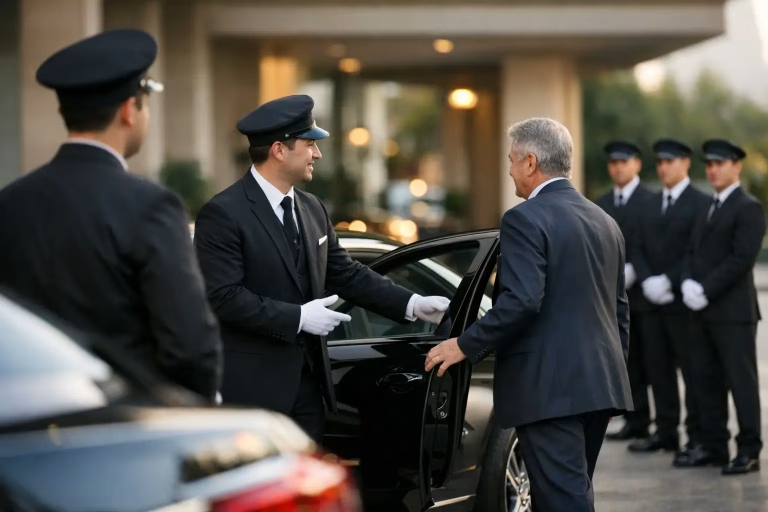
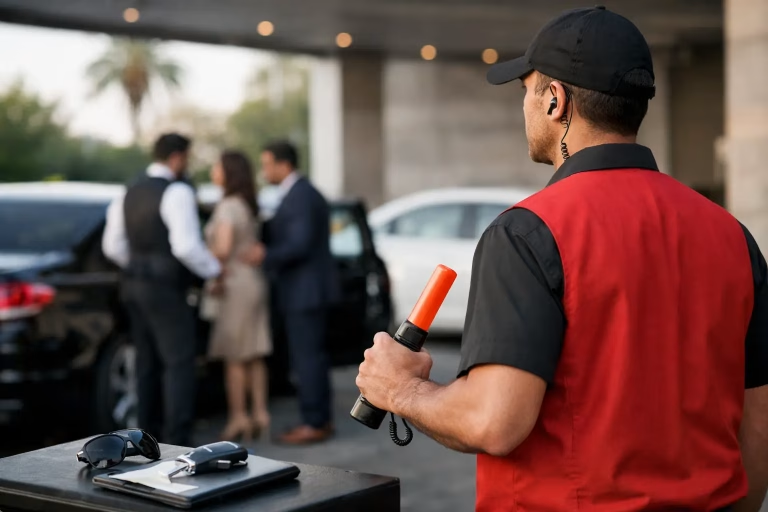
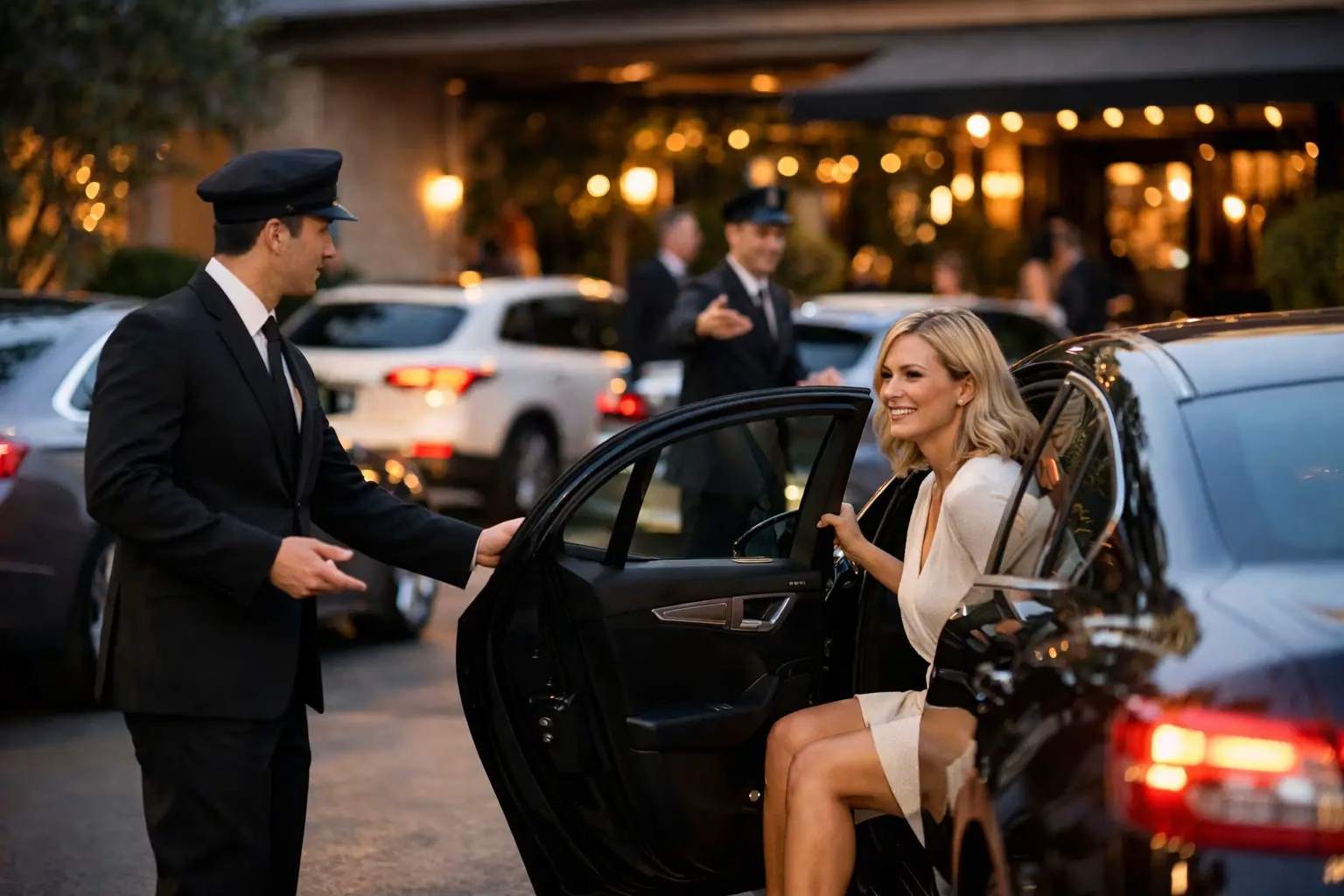
A well-designed arrival zone uses clear lanes and clear responsibilities. One attendant welcomes the driver and confirms the handoff. Another records vehicle details and issues the ticket. A runner moves the vehicle quickly to the designated parking area. When space is limited, a traffic coordinator may be needed to direct approaching vehicles before they reach the drop-off point.
The goal is not to rush guests. It is to make every guest feel recognized while preventing the entrance from becoming uncertain or crowded.
Staffing for Peak Demand, Not Average Demand
Many restaurants make the mistake of staffing valet service for a typical hour rather than the busiest 20 minutes of the night. This creates a visible service gap precisely when guest expectations are highest.
A peak-period staffing model separates guest-facing and vehicle-handling responsibilities. The host or curbside lead should remain focused on greetings, communication, and order at the entrance. Runners should focus on moving cars efficiently and safely. A supervisor should monitor capacity, adjust assignments, and step in when an unexpected surge occurs.
Cross-training matters, but it does not mean everyone should do everything at once. In a rush, defined roles reduce hesitation. Staff members know who receives the keys, who records the ticket, who parks the vehicle, who retrieves it, and who communicates with guests when wait times change.
Restaurants also benefit from flexible schedules. A valet team may need additional coverage only for the first dinner seating, a Friday and Saturday evening, or the arrival period before a private function. Building staffing around those specific windows controls costs while protecting the guest experience where it matters most.
Use Technology to Keep Vehicle Flow Visible
Paper tickets can work for a small operation, but they become harder to manage when dozens of vehicles arrive close together. Lost stubs, handwritten notes, unclear plate numbers, and disconnected communication between the curb and the parking area can lengthen retrieval times and frustrate guests.
Digital ticketing gives the operation a clearer record of each vehicle, its location, its arrival time, and any special instructions. It can also help the valet team prioritize vehicles when guests request them at the same time. The benefit is not technology for its own sake. It is accurate coordination when speed and accountability are under pressure.
For restaurants with large parking areas or off-site overflow lots, communication tools are equally valuable. The curbside team must be able to notify runners immediately, while the supervisor needs a real-time view of capacity and pending retrievals. When the team is working from the same information, guests receive more confident answers instead of vague estimates.
Technology should support a polished human interaction, not replace it. A guest should still be greeted promptly, have their vehicle condition handled carefully, and know where to go if they need assistance.
Protect Safety While Moving Faster
The pressure of a valet rush can tempt teams to cut corners. That is where professional standards matter most. Faster service should never mean unsafe driving, careless key handling, or vehicles being placed in unapproved areas.
A reliable valet plan establishes parking zones in advance. High-turnover spaces should be reserved for vehicles likely to leave earlier. Larger vehicles, luxury cars, and vehicles requiring special handling may need designated locations. Overflow arrangements should be confirmed before the rush begins, not after the primary lot is full.
Key control is another essential safeguard. Keys should be handled through a documented process, with vehicle details recorded accurately and access limited to authorized team members. Restaurants should also work with an insured valet provider that accepts responsibility for vehicles while they are in its care.
Safety extends to pedestrians as well. Guests may arrive with children, elderly family members, shopping bags, or formal attire. Attendants should manage the curb with awareness, assist where appropriate, and keep walking paths clear. A polished arrival is built on these small but visible details.
Communicate Before Frustration Builds
Even the best plan can face an unusually heavy surge. A delayed reservation seating, a nearby event ending at the same time, or a sudden weather change can create demand beyond the original forecast. In those moments, honest communication protects the restaurant’s reputation.
Guests are generally more patient when they understand what is happening and receive a realistic expectation. A curbside host can acknowledge the wait, direct guests to the entrance, and explain that their vehicle is being handled in order. For retrieval, the team should avoid promising a two-minute return when the actual wait is closer to ten.
The restaurant’s front-of-house team should also be connected to valet operations. Hosts need to know when the driveway is under pressure, and valets need visibility into large tables, special guests, and reservation waves. This coordination prevents the arrival experience from feeling separate from the dining experience.
For private dinners, celebrations, and restaurant events, valet service should be included in the event plan. Guests can be given clear arrival guidance, and the restaurant can schedule additional staff, reserve capacity, or establish a secondary drop-off point if needed.
Measure the Rush and Improve the Next One
The end of service is the right time to review the operation, not simply close the stand. Managers should look at average vehicle handoff time, peak arrival volume, retrieval wait times, parking capacity, guest complaints, and any safety concerns. Patterns quickly reveal whether the problem was staffing, driveway layout, communication, or insufficient overflow planning.
A restaurant may discover that its biggest challenge is not arrival but departure, when several tables leave after the same dinner seating. Another may find that the curb becomes crowded because ride-share vehicles and private cars are using the same lane. These are different operational problems and require different fixes.
A professional valet partner brings useful discipline to this review. At Wagifli, valet operations are planned as part of the venue’s hospitality experience, with trained teams, customized parking plans, ticketing tools, and operational oversight aligned to each site’s demand.
The best valet rush is not the one where attendants appear to run faster. It is the one guests barely notice because their arrival feels orderly, courteous, and under control. That calm first impression gives the restaurant the right opening for everything that follows.