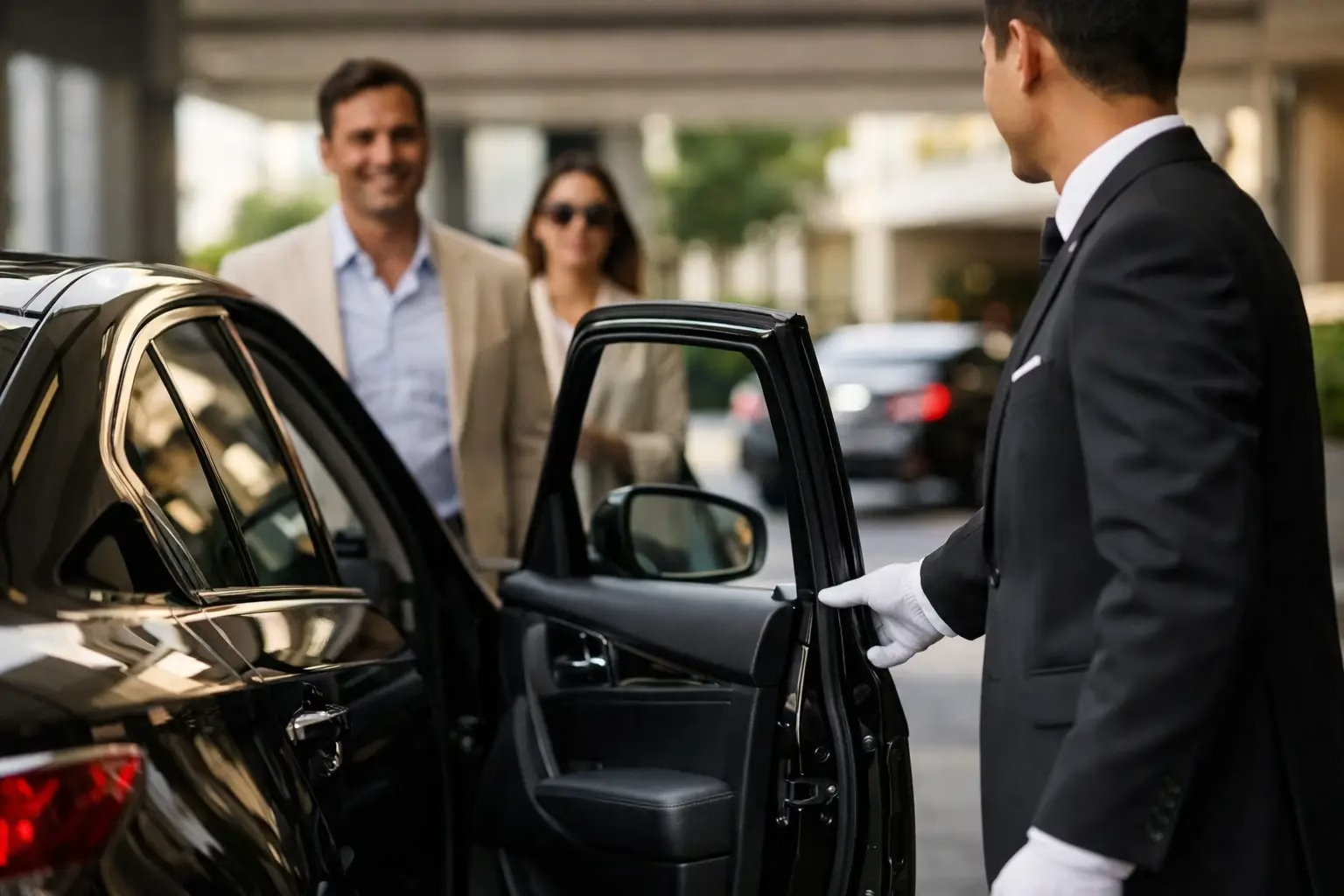
What Guests Expect From Valet Service Today
A guest may never see the parking area, but they will remember how arrival felt. What guests expect from valet service is not simply someone taking the keys. They expect a composed welcome, clear direction, confidence that their vehicle is protected, and a return experience that respects their time. For hotels, restaurants, hospitals, corporate sites, and events, that expectation begins at the curb and shapes the impression of everything that follows.
A valet operation is therefore part of hospitality, not a separate parking function. When it is managed with discipline, it reduces congestion, supports staff at busy entry points, and gives guests a reason to feel that the venue is attentive before they enter the building.
What Guests Expect From Valet Service at Arrival
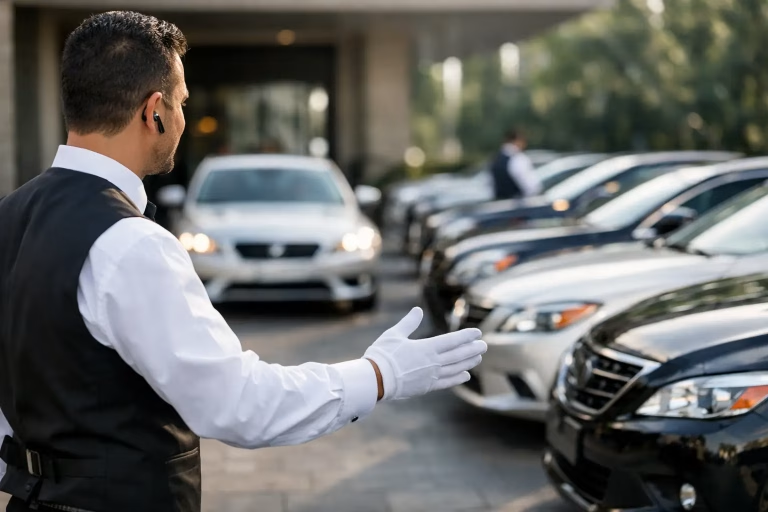
The first expectation is recognition. Guests should not need to search for the valet point, wonder where to stop, or hesitate in an active traffic lane. A well-positioned team, clear arrival flow, and a professional greeting make the next step obvious without making the interaction feel rushed.
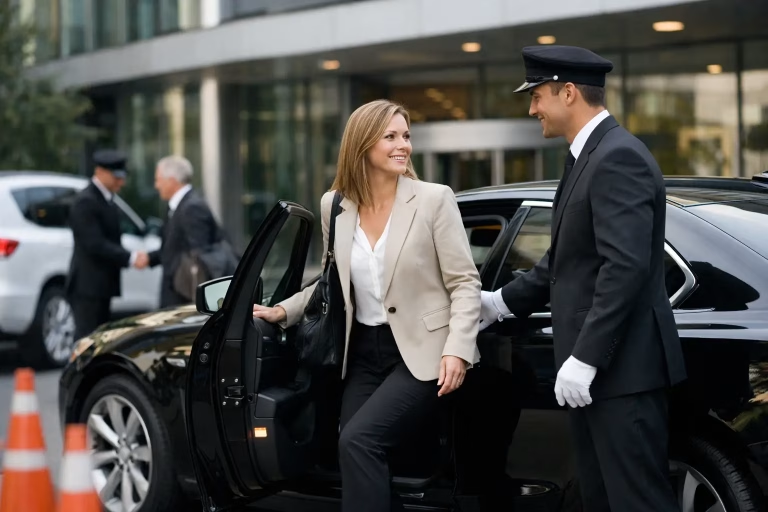
Courtesy matters, but it must be supported by operational awareness. Valet attendants should welcome the driver, confirm the handoff, assist when appropriate, and maintain control of the curbside area. At a hotel, this may include coordinating with bell staff and reception. At a restaurant, it may mean keeping the entrance open during a concentrated dinner rush. At a hospital, it may require giving priority to patients, elderly visitors, and guests with mobility needs.
Guests also notice appearance immediately. Clean uniforms, proper grooming, confident posture, and polite language signal that the venue has standards. The valet team is often the first human contact a guest has with the property. Their conduct becomes an extension of the brand, whether the venue is hosting a private wedding in Jeddah or managing daily arrivals at a busy commercial location.
A Clear and Controlled Handoff
A professional handoff should feel brief and precise. The guest needs to know where the vehicle is going, how to retrieve it, and whom to approach if plans change. A ticketing process or digital record should be simple enough that it does not create friction at the curb.
Clarity is especially valuable when a guest has a request: a child seat in the vehicle, an item that must be retrieved later, a preferred pickup time, or a concern about vehicle handling. Staff do not need lengthy conversations, but they do need to listen, repeat essential details when necessary, and record requests accurately.
Vehicle Safety Is a Non-Negotiable Expectation
Guests place a high-value personal asset in the care of the valet team. They expect responsible driving, secure parking, and accountability from the moment the key is received until it is returned. This expectation is not limited to luxury vehicles. Every guest expects their car to be treated with care.
That requires more than hiring available drivers. A dependable valet partner trains attendants in safe driving practices, key handling, vehicle inspection procedures, parking protocols, and incident reporting. Teams should understand how to operate different vehicle types responsibly and know when to ask the guest for guidance rather than make assumptions.
Insurance coverage is equally important. For a venue operator, clear insurance arrangements offer more than financial protection. They demonstrate that the service provider accepts operational responsibility. Guests may not ask about coverage at every visit, but the confidence created by a properly managed and insured service is felt in the professionalism of the operation.
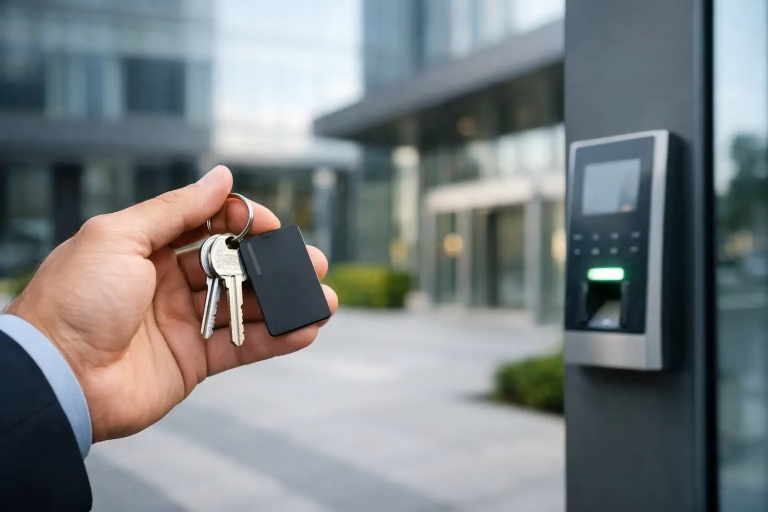
Security also extends to keys and guest information. Keys should never be left exposed, vehicles should be parked in controlled areas, and retrieval records should be handled carefully. A casual approach to these details can damage trust quickly, even when no incident occurs.
Speed Matters, but Predictability Matters More
Fast vehicle retrieval is a central expectation, particularly after dinner, at the end of an event, or during hotel checkout peaks. Yet speed without coordination can create a second traffic problem at the exit. Guests do not only judge how many minutes they waited. They judge whether the process appeared organized and whether anyone kept them informed.
The best service anticipates demand. For example, a valet manager can prepare vehicles ahead of a scheduled conference break, coordinate departure waves after a wedding, or adjust staffing during a restaurant’s peak reservation window. This planning reduces unnecessary waiting and protects the guest experience when demand rises suddenly.
There is a practical trade-off. Retrieving every car too early can overcrowd the pickup lane and create safety risks. Retrieving them too late leaves guests standing outside with no information. The right approach depends on the property layout, available staging space, event schedule, weather conditions, and the number of expected departures. A tailored operating plan is more effective than a generic promise of fast service.
Communication During Delays
Even a strong operation can face delays caused by traffic, weather, road restrictions, or an unusually high volume of departures. Guests are generally more patient when they receive a direct, respectful update. Silence is what makes a short wait feel careless.
A trained team acknowledges the wait, gives a realistic expectation, and maintains a calm presence. If an accessible vehicle, family pickup, or medical need requires priority, the team should have a clear escalation process. These moments reveal whether valet service is truly designed around guests or merely around parking capacity.
Professionalism Includes How Problems Are Handled
No operation is judged only on its best day. Guests also form opinions when a ticket is misplaced, a vehicle takes longer than expected, or the driveway becomes congested. They expect the valet team to take ownership rather than shift blame between staff members, security, venue employees, and guests.
Professional recovery starts with accurate records and a manager who is present and empowered to act. Staff should know who can make decisions, how to locate a vehicle quickly, and how to document an issue properly. A calm response protects the guest’s confidence and gives the venue a clear record for follow-up.
For property managers and event organizers, this is a critical distinction when selecting a valet provider. Staffing numbers alone do not measure quality. The stronger question is whether the provider has a defined operating plan, supervisory coverage, training standards, insurance, reporting procedures, and the ability to adapt when the site is under pressure.
The Experience Should Fit the Venue
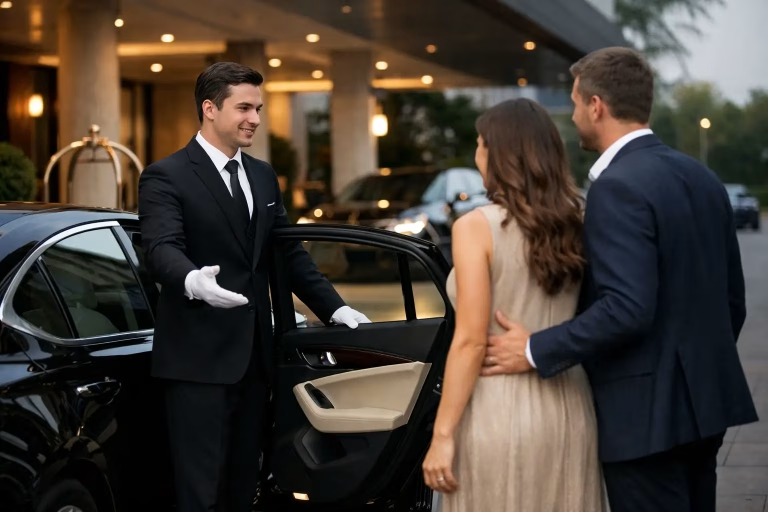
Guests expect a valet service that feels appropriate to the setting. A five-star hotel needs a polished arrival sequence and close coordination with front-of-house teams. A hospital needs empathy, accessibility support, and an orderly system that does not add stress for patients or families. A corporate headquarters may need efficient service during executive meetings, while a wedding venue needs graceful handling of concentrated guest arrivals and late-night departures.
This is why customization matters. The number of attendants, traffic routing, parking allocation, digital tools, ticket design, staging areas, and shift timing should reflect the actual site. A venue with limited parking capacity needs active space management. A large event needs an arrival plan that separates VIPs, vendors, and general guests without creating confusion.
Wagifli approaches valet service as a managed hospitality operation, combining trained teams, site-specific parking plans, and practical tools that support faster handoff and retrieval. The goal is not simply to park more cars. It is to give the venue control over a high-visibility moment in the guest journey.
What Guests Remember After They Leave
Guests rarely describe a good valet experience in technical terms. They remember that arrival was easy, their car was returned in good condition, and no one made them feel overlooked. They remember being greeted with respect and leaving without unnecessary delay.
For the venue, those seemingly small moments have commercial value. They support positive reviews, repeat visits, event satisfaction, and a stronger perception of service quality. They also reduce the burden on reception, security, and internal operations teams that might otherwise be drawn into managing curbside confusion.
The most useful question for any operator is not whether valet service is needed, but whether the current arrival experience reflects the standard the venue promises inside. When the curbside operation is designed with the same care as the lobby, dining room, or event hall, guests feel the difference before the door opens.