دليل إدارة مواقف المجمعات التجارية: A Practical Plan
A crowded mall entrance can undermine every investment made inside the property. When drivers wait without direction, vehicles double-park near the doors, and peak-hour traffic spills into access roads, the guest’s experience begins with frustration. This دليل إدارة مواقف المجمعات التجارية addresses parking as a core operational and hospitality function – one that protects safety, supports tenant performance, and gives every visitor a more confident arrival.
For mall operators, parking is not simply a matter of having enough spaces. It is the coordination of people, vehicles, access points, loading activity, security requirements, and changing traffic volumes throughout the day. The right operating model turns a high-pressure arrival zone into an organized extension of the property’s service standards.
Why mall parking management affects the entire property
The parking experience shapes a visitor’s first judgment before they enter a store, restaurant, cinema, or family entertainment venue. A driver who finds a clear route, an available space, and helpful assistance is more likely to arrive relaxed and stay longer. A driver who circles the lot, encounters blocked lanes, or cannot identify the exit may leave early or decide not to return.
This impact is especially visible during weekends, school holidays, seasonal promotions, and evening dining hours. At these times, a parking issue can quickly become a property-wide issue. Delayed access reduces retail foot traffic, creates pressure on security teams, and exposes staff to avoidable conflict with frustrated visitors.
Well-managed parking also protects the mall’s brand. Premium tenants expect an arrival experience consistent with the quality of their storefronts. Families, elderly visitors, people with disabilities, and business guests need safe, visible, and practical access. Parking operations must serve all these groups without slowing the overall traffic flow.
Start with a real picture of traffic demand
A useful parking plan starts with observation rather than assumptions. Total parking capacity matters, but the more important question is how capacity performs at specific times and in specific zones. A property may have sufficient spaces overall while still experiencing serious congestion near its main entrance or restaurant wing.
Review vehicle flow across a full operating cycle. Measure ordinary weekdays, busy weekends, major retail campaigns, and holiday periods. Track when vehicles arrive, where queues form, how long drivers search for spaces, and which gates handle the highest volume. Include ride-share drop-offs, taxis, deliveries, employee parking, and contractor vehicles. Each group has different movement patterns and should not be forced into the same lane or curbside area.
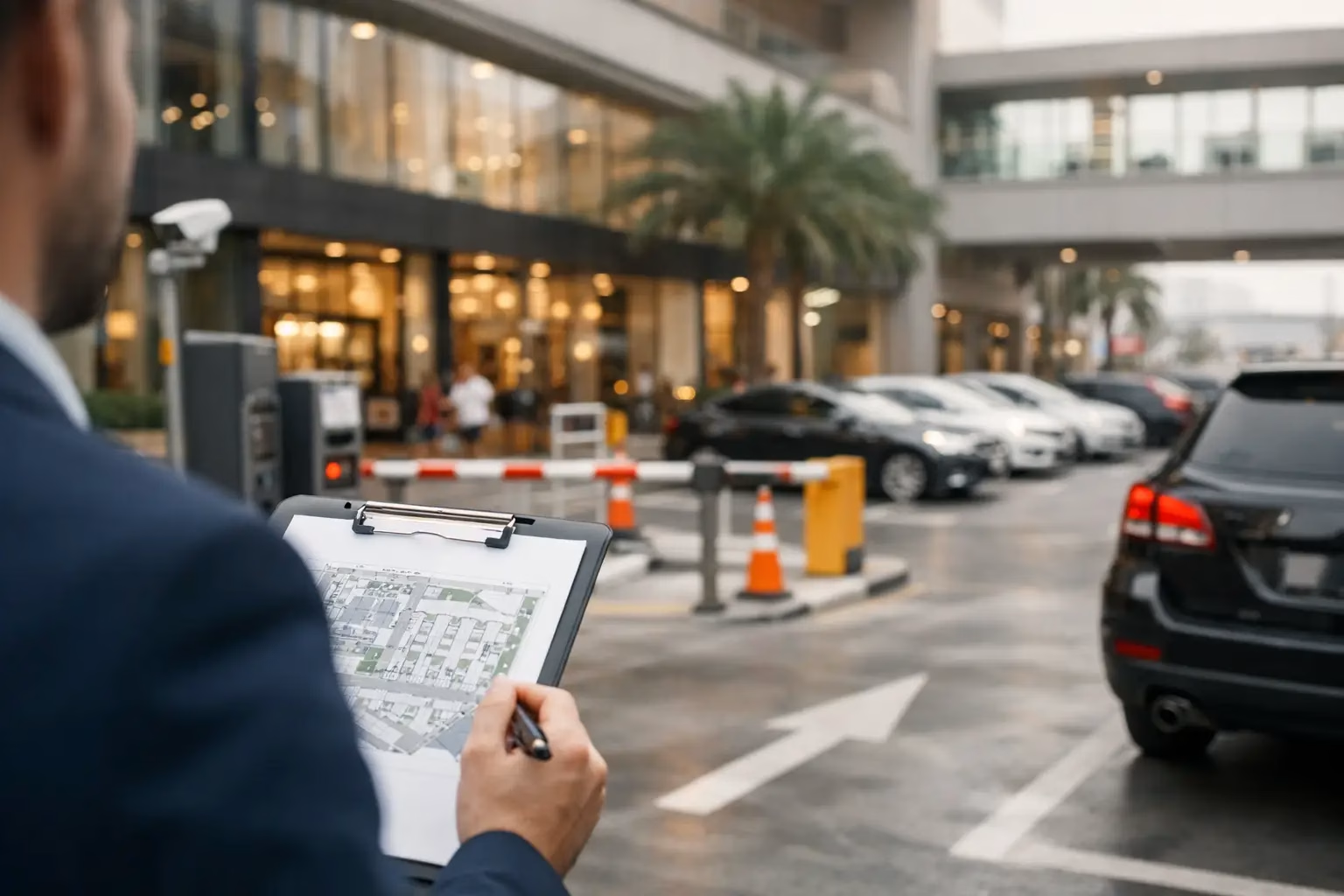
The findings should lead to a site-specific traffic map. It should show vehicle entry points, exit routes, pedestrian crossings, valet zones, reserved parking, loading areas, security posts, and emergency access. This map is not a document to keep in a drawer. It is an operational reference for daily shift briefings, event planning, and incident response.
Separate traffic types before they create conflicts
The most efficient malls distinguish between vehicles that need fast turnover and vehicles that need longer stays. A guest dropping off a family at the entrance should not wait behind a delivery truck. A VIP valet arrival should not block an exit lane. Staff vehicles should not occupy the closest visitor spaces during peak hours.
Where the site allows, create clear operating zones for visitor self-parking, valet service, ride-share arrivals, accessible parking, deliveries, and staff. Signage, lane markings, cones, and trained attendants should reinforce the zoning. Physical space alone does not solve congestion – drivers need immediate, unmistakable guidance.
Build peak-hour operations around the entrance
The entrance is often the most sensitive point in mall parking management. It has limited curb space and receives the highest concentration of arrivals, pedestrians, security activity, and guest questions. If the entrance is managed casually, queues can form in minutes.
A peak-hour plan should establish who directs vehicles before the gate, who controls curbside movement, who supports pedestrians, and who communicates with security or the control room. Staff should know when to open an additional entry lane, redirect vehicles to a secondary lot, or temporarily restrict access to a full zone.
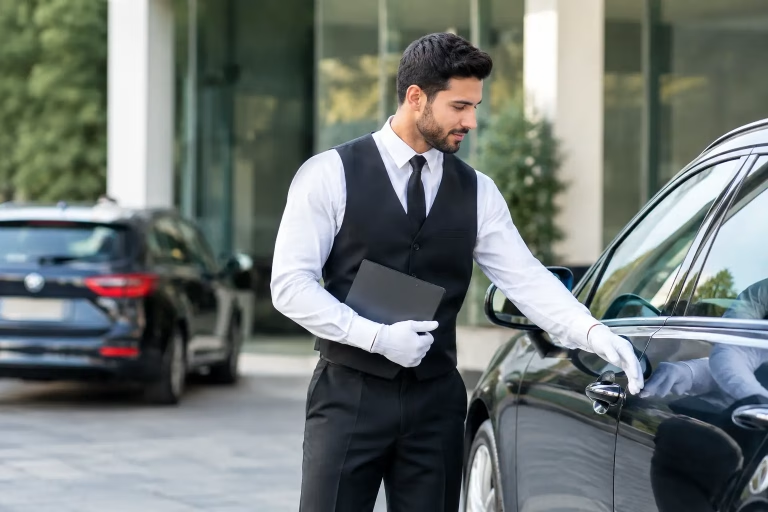
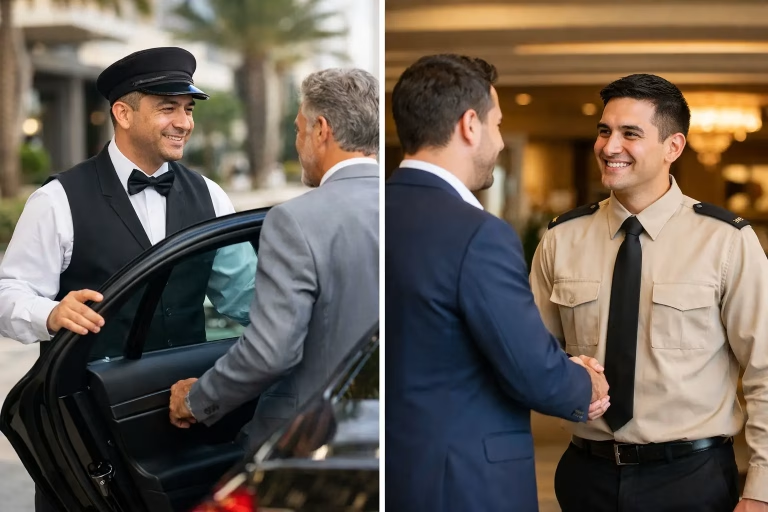
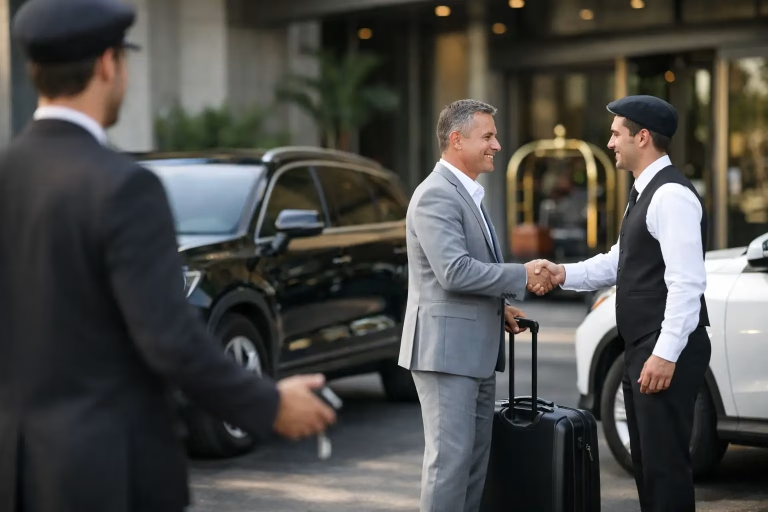
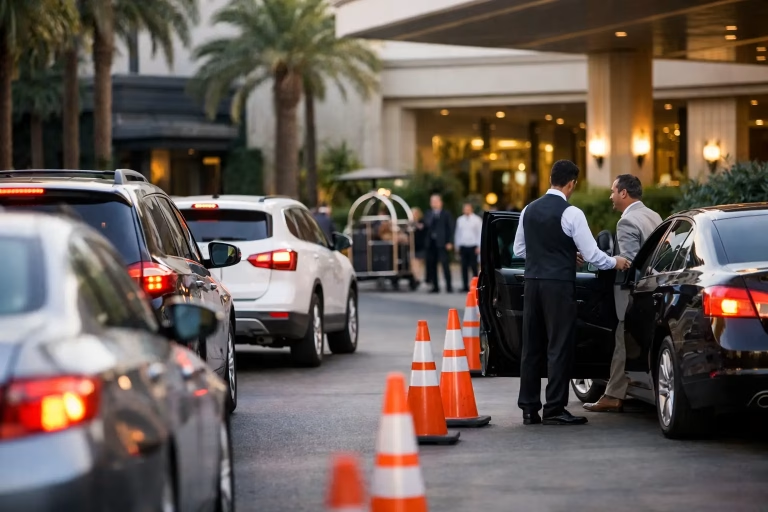
Valet parking can be particularly valuable at premium entrances, dining areas, and special events. It reduces the time guests spend searching for a space while allowing the property to use parking capacity more efficiently. But valet service only improves the experience when it is supported by trained attendants, an orderly handoff process, documented vehicle condition procedures, and rapid retrieval standards.
For a large or high-traffic property, a professional valet team can also act as the eyes and ears of the arrival area. They identify bottlenecks early, guide guests with courtesy, and keep curbside operations moving without compromising vehicle safety.
The practical control points in a mall parking plan
A complete operating plan should define performance standards, not just staffing numbers. The following control points give managers a practical way to assess whether the parking operation is working:
- Vehicle queue length at entry gates and curbside zones
- Average time required to find or assign a parking space
- Occupancy levels by parking section and floor
- Valet vehicle handoff and retrieval times
- Parking-related incidents, complaints, and near misses
These indicators reveal where action is needed. For example, long retrieval times may indicate poor vehicle staging, insufficient runners, or unclear ticketing processes. High occupancy in one area may mean guests are unaware of available capacity elsewhere. Frequent complaints about exits may point to weak signage rather than a shortage of spaces.
Data should inform staffing and layout decisions, but managers should avoid treating every issue as a technology problem. Digital occupancy displays and ticketing systems are useful when they match the site’s actual workflow. At a smaller mall, clear signs and an experienced floor supervisor may deliver more value than an overly complex system. At a major retail destination with several parking structures, real-time occupancy information and centralized reporting can significantly improve control.
Use people, process, and technology together
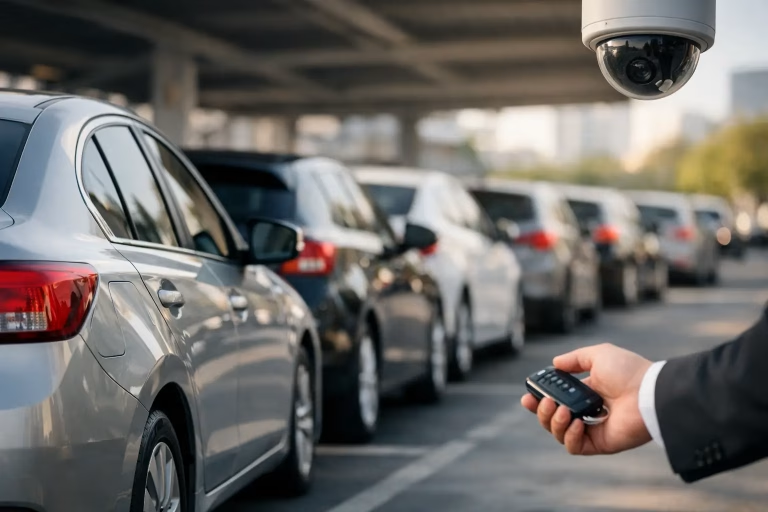
Technology improves visibility, speed, and accountability. Digital valet tickets reduce manual errors, help locate vehicles quickly, and provide a clearer record of custody. Parking sensors, cameras, access controls, and occupancy dashboards can help operators understand demand as it changes.
However, technology does not replace trained people. A screen cannot calm an impatient guest, direct an unfamiliar driver around a blocked lane, or make a safe judgment during a sudden traffic surge. The strongest parking operations combine the right tools with disciplined field teams who understand hospitality as well as traffic control.
Training should cover vehicle handling, guest communication, emergency procedures, site layout, incident reporting, and professional appearance. Teams should also know how to handle sensitive situations: a lost ticket, a vehicle damage concern, a medical emergency, or a guest who needs accessibility support. The goal is to resolve issues quietly, accurately, and with respect for the guest and the property.
Safety, insurance, and accountability cannot be secondary
Parking areas have moving vehicles, pedestrians, tight turns, and changing lighting conditions. That makes safety a daily management responsibility, not an occasional audit item. Clear speed limits, visible crossings, adequate lighting, lane discipline, and regular inspection of markings all reduce risk.
When valet parking is offered, accountability becomes even more important. Guests are placing a valuable asset in the care of the operator. The service should include documented vehicle acceptance, controlled key management, trained drivers, and insurance coverage appropriate to the operation. These measures protect the guest, the mall, and the reputation of every tenant associated with the property.
Mall management should also maintain a clear escalation path. Frontline attendants need to know when to call a supervisor, security, maintenance, or emergency services. Delays in decision-making are costly when an incident affects access routes or guest safety.
دليل إدارة مواقف المجمعات التجارية for events and seasonal pressure
A mall can operate smoothly for months and still be unprepared for a single large activation. Product launches, holiday programs, celebrity appearances, weekend festivals, and retail campaigns can change arrival volumes dramatically. Event parking should therefore be planned as a separate operating mode, not handled with the standard daily schedule.
Before an event, estimate vehicle demand, identify overflow areas, adjust staff deployment, and notify tenants and security teams of the expected movement pattern. Consider whether valet service, temporary signage, barriers, or additional traffic marshals are needed. The plan should include a guest communication approach, especially if certain access points or parking zones will be restricted.
After the event, review what happened. Which entry points filled first? Did guests understand the directions? Were vehicles released efficiently at closing time? This short review creates better decisions for the next high-demand period.
Choose an operating partner that understands hospitality
Outsourcing parking or valet operations can reduce the internal burden on mall management, but the choice of partner matters. The provider should not simply supply attendants. It should assess the property, define a tailored operating plan, train its team for the site, report on performance, and accept responsibility for service standards.
For malls in Saudi Arabia, this is particularly relevant where hospitality expectations are high and traffic patterns can shift sharply around weekends, religious seasons, and major events. A specialist such as Wagifli approaches valet and parking management as part of the guest journey, with trained teams, structured procedures, digital tools, and insured vehicle care.
The best parking operation is rarely noticed because it prevents friction before it reaches the guest. Give the arrival experience the same attention as the mall entrance, tenant mix, and security plan, and visitors will feel the difference from the moment they turn into the property.