ما هي خدمة الفاليه المؤسسية؟ For Business Leaders
The first few minutes of a guest’s visit can set the tone for everything that follows. A backed-up driveway, unclear parking direction, or long walk from an overflow lot can undermine even the most polished hotel, restaurant, hospital, or event. That is where ما هي خدمة الفاليه المؤسسية becomes a practical question for business leaders: it is not simply about parking cars, but about managing arrival as part of the guest experience.
Corporate valet service is a professionally operated parking solution designed for organizations rather than individual drivers. It combines trained valet teams, site-specific traffic planning, vehicle custody procedures, parking-capacity management, and often digital ticketing tools. The objective is to receive vehicles courteously, move them safely, and return them promptly while keeping the entrance organized and the property’s service standards intact.
What Corporate Valet Service Actually Includes
A corporate valet operation begins before the first vehicle arrives. The provider assesses the site’s entry points, driveway width, available parking inventory, peak arrival periods, pedestrian routes, and potential bottlenecks. From there, the team develops an operating plan that assigns roles, defines vehicle flow, establishes staging areas, and sets clear procedures for handoffs and vehicle retrieval.
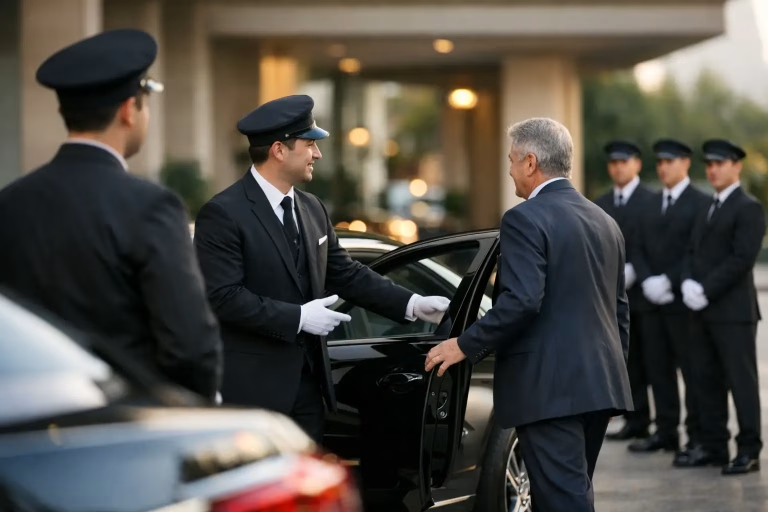
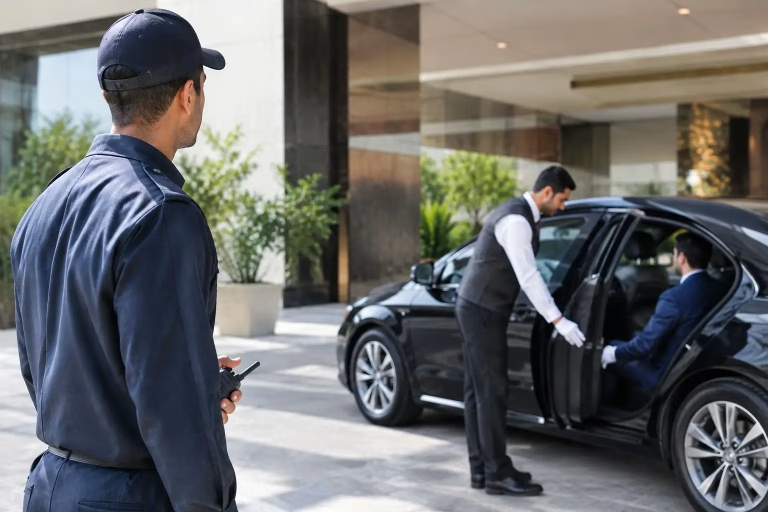
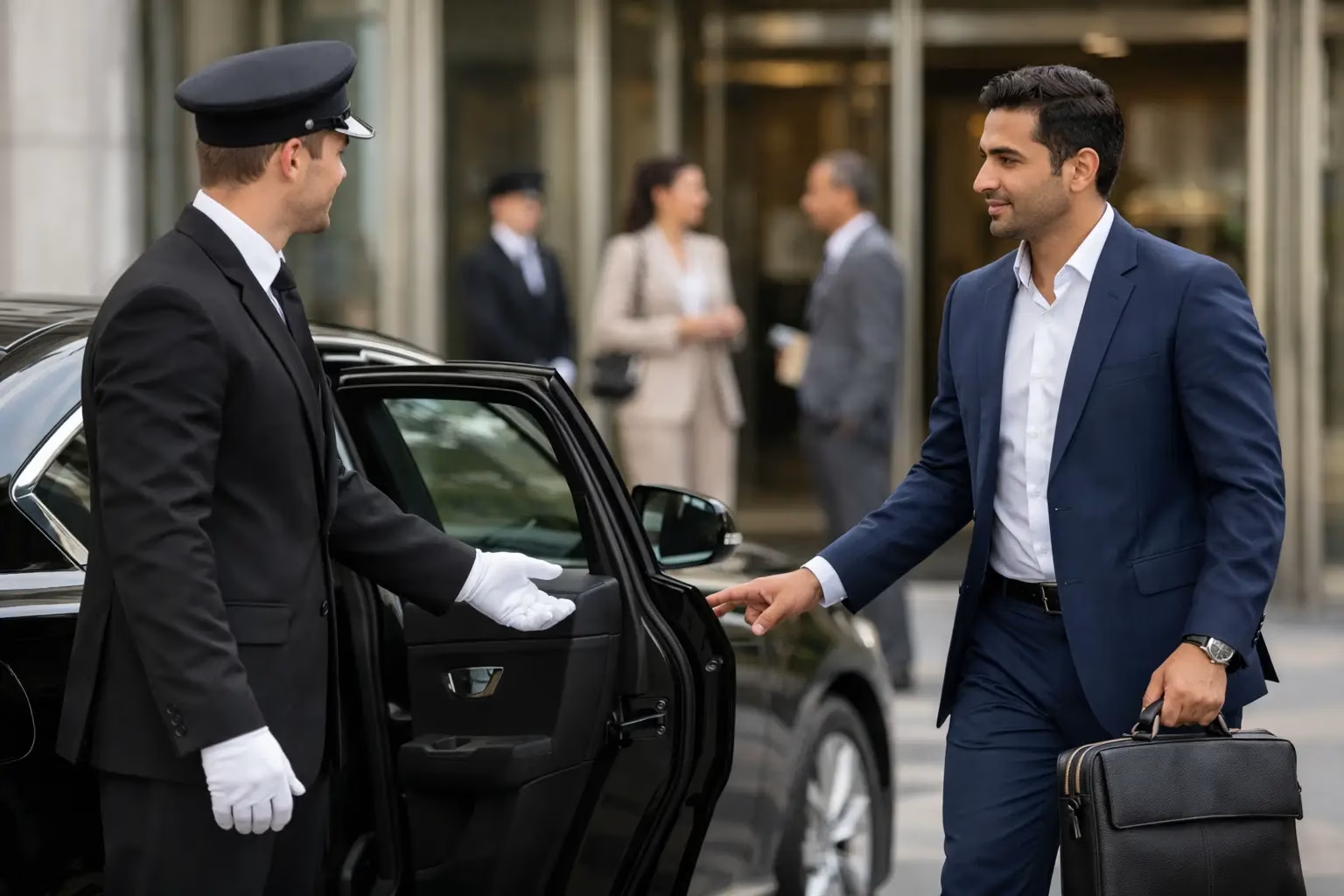
At the entrance, attendants welcome the guest, document the vehicle through a ticketing or digital tracking process, and move it to an approved parking location. Behind that visible interaction is a coordinated operation. Supervisors monitor capacity, direct attendants, adjust for rush periods, and make sure vehicles can be retrieved efficiently rather than creating a second line of congestion at departure.
The service may also include queue management, VIP arrival protocols, temporary event parking, directional signage, and coordination with security or facility teams. The exact scope depends on the property, the expected volume of cars, the audience profile, and the level of hospitality the organization wants to deliver.
Why Corporate Valet Is Different From Providing Parking Attendants
The difference is operational accountability. A staffing-only approach may place people at an entrance, but it does not necessarily provide a full plan for traffic, safety, training, reporting, supervision, or vehicle custody. Corporate valet service treats parking as a managed part of the customer journey.
That distinction matters most during pressure periods. A restaurant may handle arrivals well on a quiet weekday, yet face disorder when weekend reservations arrive within the same 30-minute window. A hospital entrance can become stressful when patients, visitors, ambulances, and staff vehicles compete for space. A conference venue may need to process hundreds of cars shortly before a keynote begins.
A qualified valet partner plans for these conditions rather than reacting after queues form. That includes setting staffing levels for peak periods, creating overflow procedures, maintaining a clear retrieval system, and ensuring supervisors can make decisions quickly on site.
The Business Value Starts at the Curb
For guests, valet service removes friction. They arrive, hand over their vehicle, and proceed into the property without searching for a space or navigating an unfamiliar parking area. For the organization, that convenience affects more than satisfaction scores. It protects the first impression of the brand.
In hospitality, the entrance is part of the product. Guests often judge the level of care, order, and professionalism before they reach reception or sit at a table. A courteous valet team signals that the property is prepared, attentive, and in control. Conversely, visible confusion at the curb can make a premium venue feel less dependable, regardless of what happens inside.
There are also measurable operational benefits. Proper traffic direction can reduce driveway congestion, allow more efficient use of available parking spaces, and shorten the time guests spend waiting to enter or leave. This is especially valuable for properties with limited on-site parking, high-value clientele, or an arrival experience that must remain calm and well organized.
How Service Requirements Change by Property Type
Corporate valet should never be delivered as a one-size-fits-all service. The operating model for a hotel is different from the model for a medical center, and a wedding venue has different demands from a corporate headquarters.
Hotels and high-end restaurants
Hotels require a continuous, polished arrival experience across changing shifts, luggage activity, guest check-in periods, and occasional VIP arrivals. Restaurants tend to have sharper peaks, particularly around reservation times. In both settings, valet staff must combine speed with hospitality, communicate respectfully, and keep the drop-off area clear for incoming guests.
Hospitals and medical facilities
At healthcare properties, convenience often has a human impact. Patients may have limited mobility, appointments may be time-sensitive, and family members may arrive under stress. The valet process must prioritize clear direction, safe pedestrian movement, respectful service, and coordination with facility access rules. Fast vehicle retrieval matters, but so does patience and sensitivity.
Corporate offices and commercial centers
Office buildings and commercial destinations may need valet support for executive visitors, tenant events, board meetings, or high-traffic periods. The focus is often access control, a professional welcome, and maintaining smooth movement around loading zones and shared entrances. Here, the service should fit the property’s broader security and facilities procedures.
Conferences, weddings, and private events
Events have concentrated arrival and departure windows, making precise planning essential. A parking plan must account for guest count, venue access, parking distance, timing of major program moments, and the possibility that many guests leave at once. The right team can prevent the final impression of an event from becoming a long, unmanaged wait for vehicles.
Safety, Insurance, and Chain of Custody
Handing over a vehicle requires trust. For that reason, professional corporate valet service must have clear standards for driver eligibility, staff training, vehicle inspection procedures, key handling, and incident reporting. The team should understand the site layout, safe driving expectations, and the escalation process for any unusual situation.
Insurance is equally central. Businesses should confirm that vehicles are covered while under valet custody and understand the provider’s documented procedures for damage claims or incidents. This is not an administrative detail to address after launching service. It is a core part of selecting a partner capable of protecting both the guest and the property’s reputation.
Digital ticketing can strengthen accountability by reducing manual errors and helping teams identify vehicles quickly. However, technology alone is not the solution. A digital system works best when it supports disciplined procedures, trained staff, and supervisors who are present during active operations.
When Does Corporate Valet Make Financial Sense?
Valet service is most valuable when the cost of a poor arrival experience is high. That may be because the organization serves premium guests, faces recurring congestion, operates in a location with limited parking, or hosts events where timing and presentation matter. It can also make sense when internal staff are being pulled away from their core work to direct traffic, handle keys, or solve parking issues.
Still, valet is not automatically the right answer for every site. A property with abundant self-parking, low arrival volume, and simple access may benefit more from better signage or a revised parking layout. The key question is not whether valet looks prestigious. It is whether a managed arrival process solves a real operational and guest-service problem.
A useful evaluation considers peak vehicle volume, current waiting times, parking capacity, guest expectations, entrance design, and the level of risk created by unmanaged vehicle movement. From there, the operator can recommend a permanent program, scheduled coverage during busy periods, or event-based service.
Choosing a Corporate Valet Partner
The strongest provider will ask detailed questions about the site before quoting a standard package. They should be able to explain how they will staff peak periods, manage overflow, train attendants, protect keys and vehicles, communicate with your team, and measure service performance.
Look for a partner that views valet as part of your hospitality identity, not a detached parking task. At Waqifli, this means building an operating plan around the property’s volume, audience, and service expectations, while maintaining the professionalism, safety, and insured vehicle care that guests expect.
The most effective valet program is often invisible in the best sense: guests do not notice the operational work behind it because their arrival feels calm, prompt, and well handled. Start by examining what happens at your curb during the busiest 30 minutes of the day. That single observation will usually reveal whether your parking experience is supporting your brand or asking guests to manage the problem themselves.