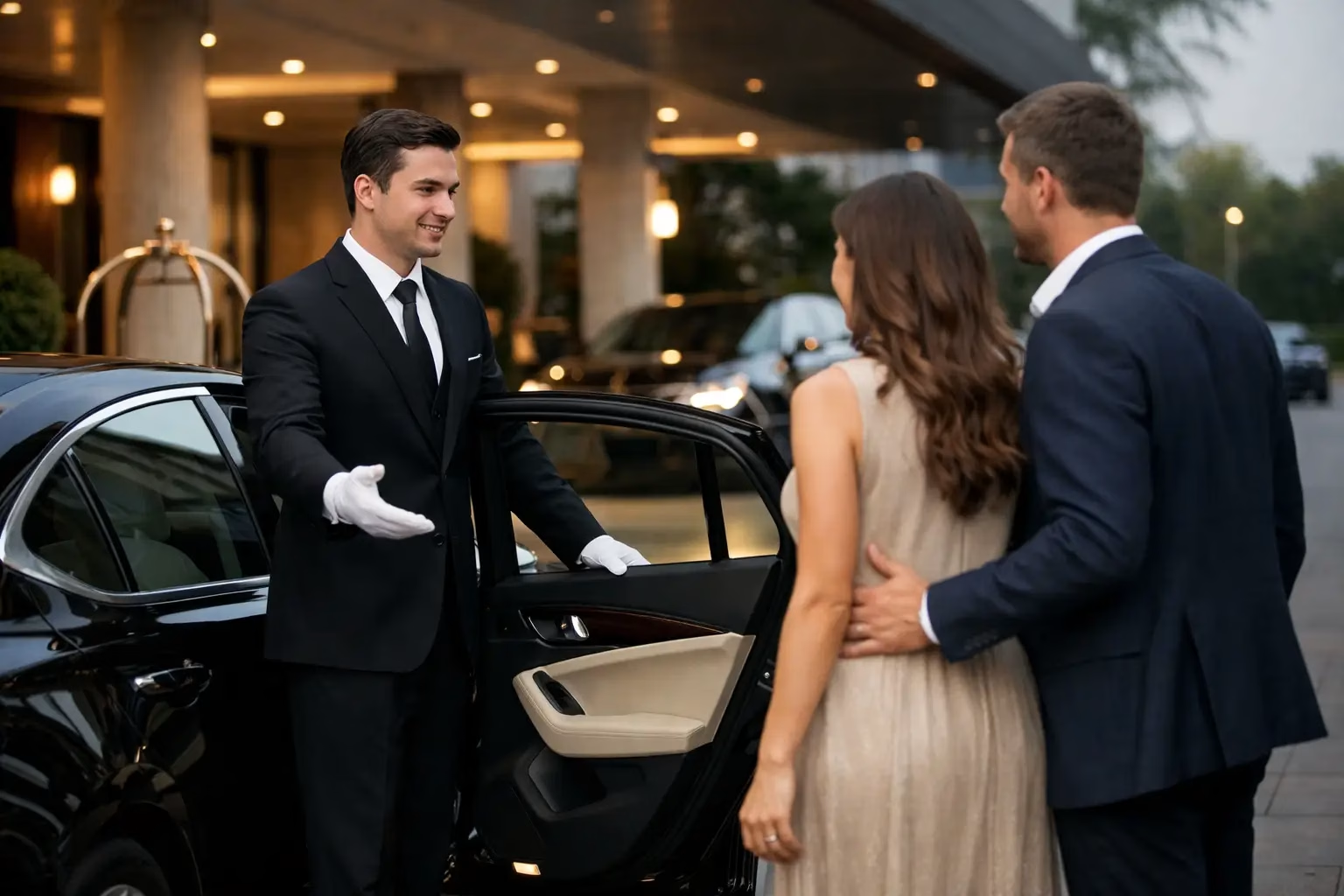
أفضل ممارسات استقبال الضيوف بالمركبات for Venues
A guest’s opinion of a property often begins before they reach the lobby, host stand, reception desk, or event hall. It begins at the curb. أفضل ممارسات استقبال الضيوف بالمركبات turn that brief arrival moment into a controlled, courteous experience that protects the guest’s time, vehicle, and confidence in the venue.
For hotels, hospitals, premium restaurants, corporate facilities, and event venues, vehicle reception is not simply about moving cars. It is an operational touchpoint where hospitality, safety, capacity management, and brand reputation meet. A disorganized driveway can make even an excellent facility feel underprepared. A well-managed arrival, by contrast, gives guests an immediate sense that the venue is attentive, capable, and ready for them.
Treat the Arrival Zone as Part of the Guest Experience
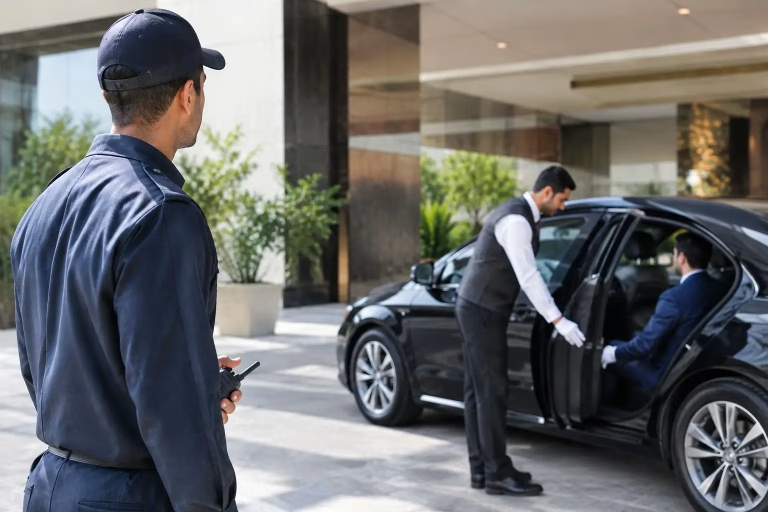
The entrance should be managed with the same care as the reception area. Guests need to understand where to stop, whom to approach, and what will happen to their vehicle without having to ask. Clear curbside positioning, visible staff, appropriate signage, and a defined traffic flow reduce uncertainty from the first seconds of arrival.
This does not mean every property needs a large valet operation. The right model depends on vehicle volume, available parking capacity, peak periods, visitor profile, and the physical layout of the entrance. A busy hotel may require continuous vehicle reception across several shifts, while a wedding venue may need a scalable team for a concentrated arrival window. What matters is that the service is designed for the actual operating conditions, not copied from another site.
The arrival zone should also remain visually calm. Staff should avoid clustering at the curb, idle vehicles should not block active lanes, and guests should never feel they are competing with other cars for attention. Order at the entrance communicates professionalism before a single word is exchanged.
Build a Clear Handoff Process for Every Vehicle
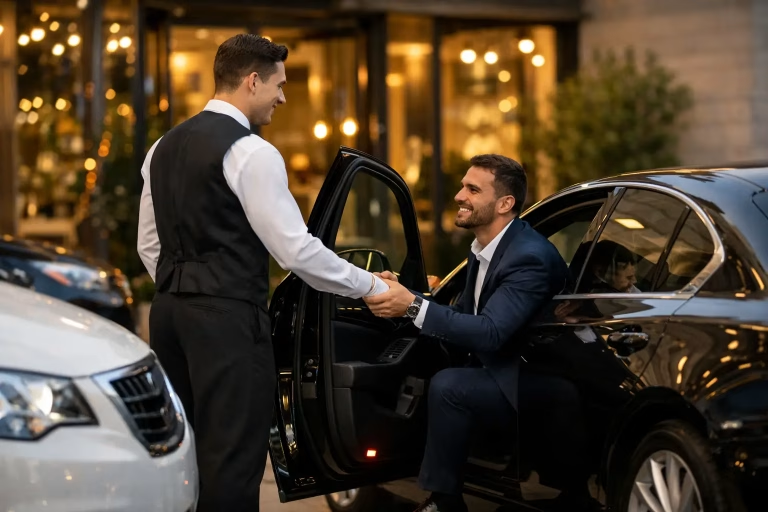
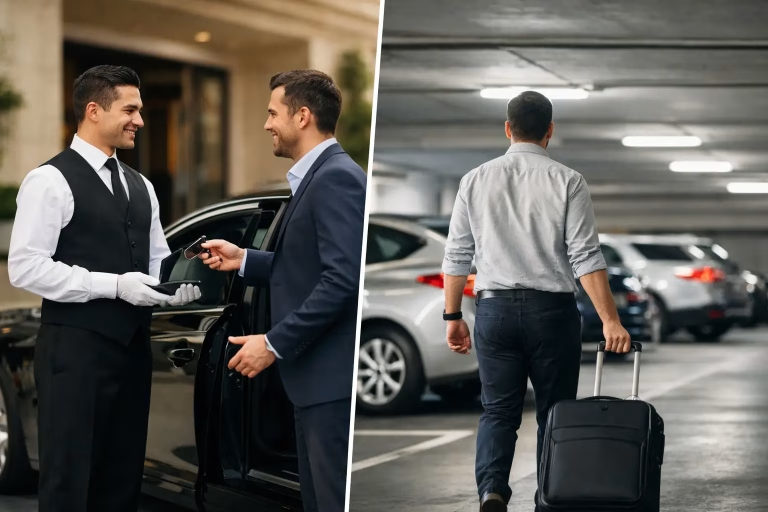
A professional vehicle handoff is short, consistent, and documented. The guest should be greeted promptly, the vehicle condition should be noted when appropriate, and the guest should receive a clear claim method before entering the property. The process must feel effortless to the guest while providing the operational controls the facility needs.
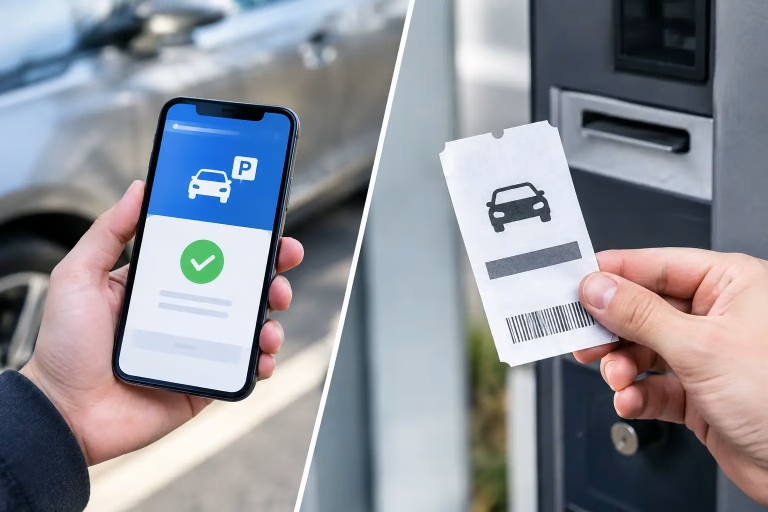
Digital ticketing can reduce manual errors and speed up both vehicle intake and retrieval. It creates a reliable record of the vehicle, timing, and assigned staff member, while helping teams locate vehicles efficiently during busy periods. For properties with a high volume of repeat guests or visitors, a digital workflow also supports better coordination between the driveway, parking area, and front-of-house teams.
Vehicle keys require disciplined custody procedures. Keys should be labeled securely, stored in a controlled location, and accessible only to authorized personnel. A guest should never see staff searching through an unorganized collection of keys or asking colleagues where a vehicle was parked. Those small failures affect trust disproportionately because they involve a guest’s personal property.
Staff for Courtesy, Awareness, and Pressure
The quality of a vehicle reception service depends heavily on the people at the curb. Drivers need more than driving ability. They need customer-service judgment, situational awareness, communication skills, and the discipline to follow a defined process even during peak pressure.
A trained attendant knows how to greet guests respectfully, confirm instructions without unnecessary conversation, assist passengers safely, and recognize when a guest may need additional support. This is especially relevant at hospitals, luxury hospitality properties, and events where elderly guests, families, VIPs, or guests with mobility needs may arrive at the same time.
Training should cover defensive driving, vehicle handling, traffic control, incident response, key security, and professional appearance. It should also prepare teams for the practical realities of Saudi venues: extreme weather, high-volume prayer or meal periods, family arrivals, large gatherings, and compressed event schedules.
Consistency matters as much as friendliness. A warm welcome delivered by an unprepared attendant can still create delays and risk. The standard should be courteous, composed, and operationally precise.
Design Traffic Flow Before Peak Hours Expose Its Weaknesses
Many arrival problems are not caused by too few parking spaces. They are caused by poorly managed movement. Vehicles enter without direction, wait in the wrong lane, make difficult turns near pedestrians, or stop where they prevent other guests from leaving. These issues become more visible during hotel check-in peaks, restaurant dinner service, conference breaks, and event arrivals.
A site-specific traffic plan should define entry and exit lanes, drop-off points, pedestrian crossings, waiting positions, overflow procedures, and the path between the curb and parking areas. The plan should account for taxis, ride-hailing vehicles, delivery vehicles, staff vehicles, and guests who prefer to self-park. Treating every vehicle as if it has the same purpose creates congestion quickly.
For venues with limited frontage, timing and communication become especially important. A team may need to stage vehicles off the main driveway, direct guests to an alternate drop-off point, or temporarily prioritize departures over arrivals. These decisions should be made through an established operating plan, not improvised when the line has already formed.
Coordinate the Driveway With the Rest of the Property
The valet or parking team should not operate in isolation. Hotel front desks, restaurant hosts, security personnel, event coordinators, and facility managers all influence the arrival experience. If a conference ends at the same moment a wedding begins, the vehicle team needs advance notice. If a VIP is expected, staff need clear instructions that respect privacy while ensuring readiness.
Regular communication between departments prevents avoidable surprises. A short pre-shift briefing can cover expected occupancy, large reservations, event timings, road access changes, weather conditions, and any special guest requirements. This is a simple discipline with a direct effect on service speed and guest satisfaction.
Make Safety and Accountability Visible
Guests may not ask how their vehicle is protected, but they expect the property to have a credible answer. Safety is built into the service through insured operations, trained personnel, controlled access, documented vehicle handling, and clear incident procedures.
The parking area itself should be assessed for lighting, traffic separation, surface condition, access control, and vehicle capacity. A highly polished curbside interaction loses value if vehicles are later parked in an unsafe or poorly organized area. The service must be reliable from handoff through storage and retrieval.
Accountability also requires a practical response plan. If a vehicle concern, lost ticket, access issue, or unexpected traffic surge occurs, staff should know exactly who is responsible and how to respond. Guests do not expect perfection in every circumstance. They do expect a calm, transparent, responsible response when circumstances change.
Speed Should Never Come at the Expense of Control
Fast vehicle retrieval is valuable, particularly for restaurants, hotels, and event departures. But speed without coordination can produce the very congestion the service is meant to prevent. Pulling too many vehicles to the curb at once, for example, may block the driveway and delay everyone.
The better approach is to manage retrieval through demand signals. Digital claim notifications, estimated departure patterns, and communication with front-of-house teams help attendants prepare vehicles in the right sequence. During a large event, guests may need a clearly communicated retrieval expectation rather than an unrealistic promise of instant service.
This is where experienced parking management creates a measurable difference. The objective is not merely the fastest individual retrieval time. It is a steady departure flow that keeps the entrance safe, reduces guest waiting, and preserves the property’s composure during its busiest moments.
Measure What Guests Actually Feel
Operational leaders should review more than the number of cars parked. Useful measures include guest wait time, average retrieval time, driveway congestion periods, incident reports, ticketing errors, vehicle capacity utilization, and recurring guest feedback. These indicators reveal where the experience is breaking down and where staffing or layout changes will have the greatest effect.
A restaurant may find that its main challenge is a 30-minute dinner rush. A hospital may need stronger assistance and clearer priority handling for patients and visitors. A corporate facility may focus on predictable morning arrivals and secure access. Each use case requires different service priorities, which is why a customized operating plan is more valuable than a generic valet roster.
At Wagifli, vehicle reception is approached as an extension of the client’s hospitality standards, with trained teams, tailored parking plans, and controlled processes designed around the site’s actual traffic patterns.
A guest may forget the details of a parking procedure, but they remember whether arrival felt easy, respectful, and well managed. Give the curbside experience the operational attention it deserves, and every vehicle that arrives becomes an opportunity to reinforce confidence in the venue.