Luxury Valet Services for Resorts That Deliver
A resort guest may forgive a delayed room, but a congested arrival can shape their opinion before they reach the lobby. Luxury valet services for resorts give that first moment the control, courtesy, and precision it requires. The service is not simply about parking vehicles. It is a visible extension of resort hospitality, guest safety, and operational discipline.
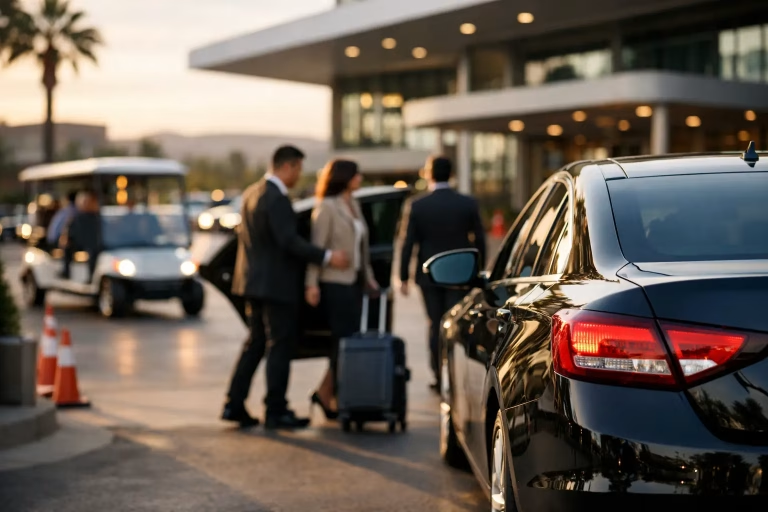
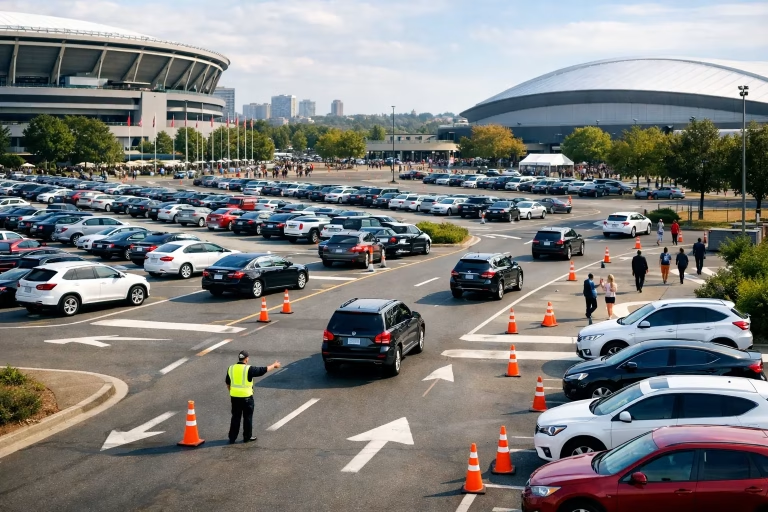
For resort operators, the challenge is rarely a lack of parking spaces alone. It is managing peak check-in periods, family arrivals, VIP guests, luggage handling, ride-share activity, tour buses, restaurant traffic, and departures that often happen at the same entrance. A trained valet operation turns these competing movements into an organized arrival experience that protects the property’s image.
Why Resort Arrival Requires a Higher Standard
A resort entrance operates differently from a typical commercial parking area. Guests arrive expecting recognition, assistance, and calm. They may be carrying luggage, traveling with children, arriving after a long flight, or attending a wedding or corporate gathering on the property. The first team they meet should be prepared to serve with confidence and discretion.
When vehicle flow is poorly managed, the impact reaches beyond the driveway. Cars begin to queue at the entrance, guests wait without direction, luggage drops become rushed, and front-desk teams receive frustrated visitors before the stay has properly started. During high-occupancy weekends or event periods, these small failures can quickly become a visible operational issue.
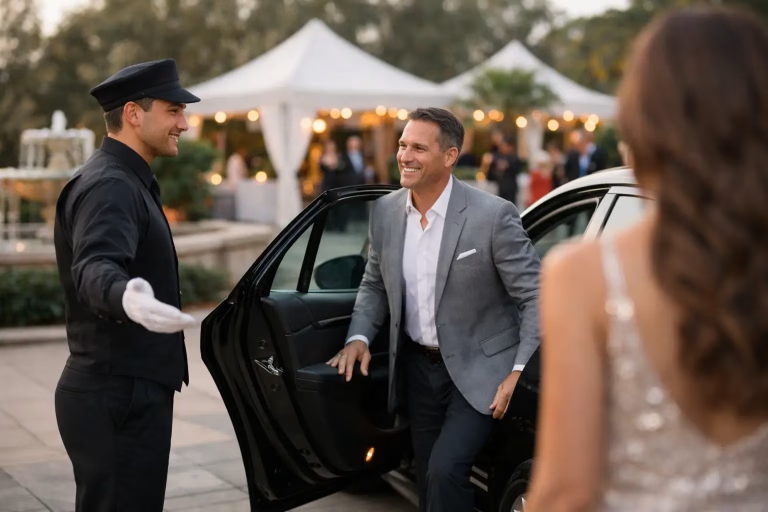
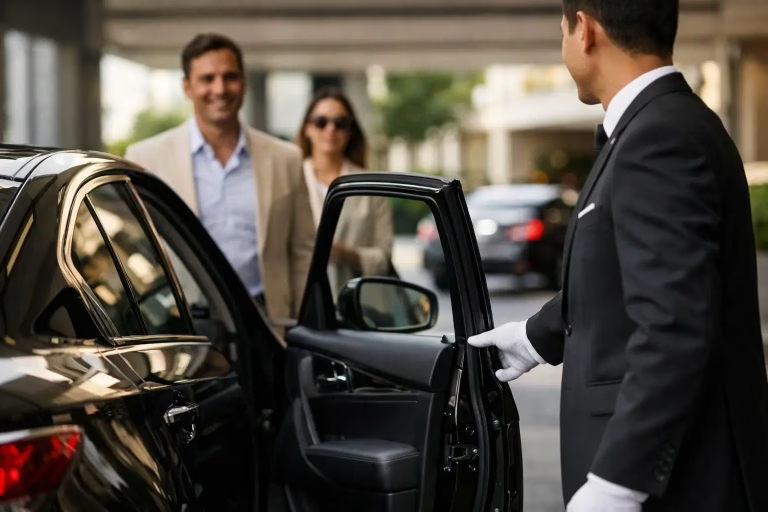
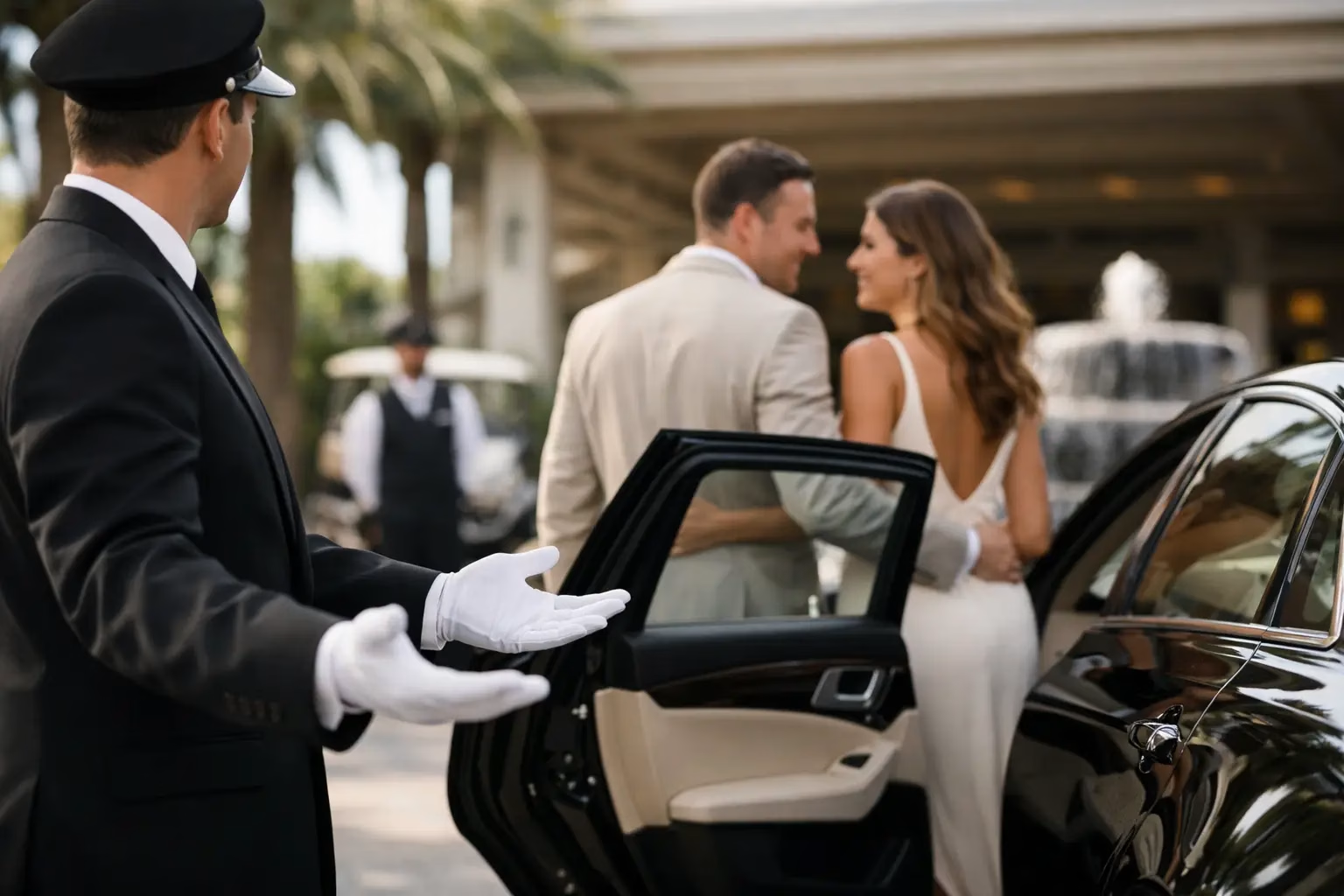
A luxury valet program creates a defined process for every vehicle from the moment it approaches the property. Guests are greeted, vehicles are received and documented, keys are secured, and cars are positioned according to a parking plan that supports fast retrieval. The result is an arrival that feels composed rather than improvised.
What Luxury Valet Services for Resorts Should Include
Luxury service depends on the details guests see and the systems they do not. A polished uniform and professional greeting matter, but they must be supported by clear operating procedures, trained staff, and accountable supervision.
A team trained for hospitality, not only parking
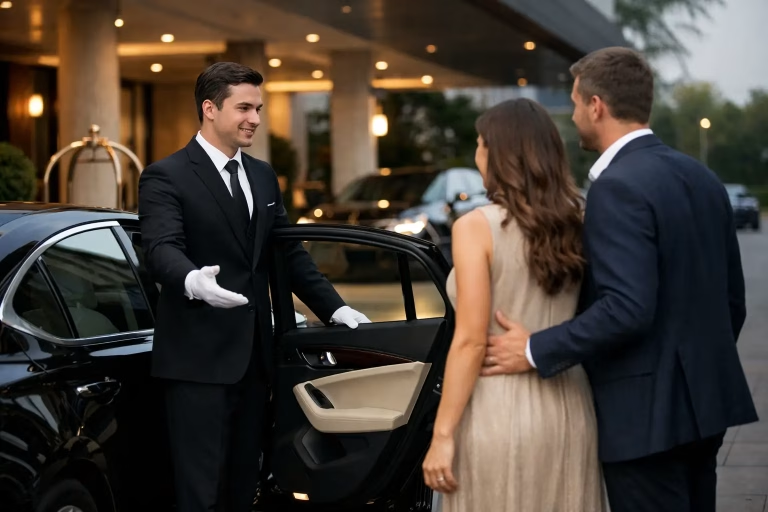
Resort valet attendants represent the property at a highly visible point of contact. They need the driving competence to handle a range of vehicles responsibly, but they also need the communication skills expected in premium hospitality. This includes greeting guests professionally, confirming vehicle information accurately, assisting with reasonable requests, and responding calmly when arrival volumes increase.
The right team understands that discretion is part of the service. VIP travelers, executives, families, and event guests should all receive respectful treatment without unnecessary attention or confusion at the entrance.
Vehicle safety and documented custody
Trust is central to valet service. Guests are handing over a valuable personal asset, often after a long journey, and they expect clear accountability. A professional operator uses consistent check-in procedures, secure key handling, controlled access to vehicles, and documented vehicle custody.
Insurance coverage while vehicles are under the valet team’s care also gives resort management and guests greater assurance. This is particularly important for luxury properties that regularly receive premium vehicles and guests with high expectations of service recovery should an issue occur.
Digital tickets and accurate retrieval
Paper tickets can still work in low-volume settings, but resort operations benefit from digital tools that improve speed and traceability. A digital ticketing system helps teams record vehicle details, organize retrieval requests, and reduce confusion during departures.
The value becomes clear at checkout peaks. Rather than searching through handwritten notes or relying on memory, the team can prepare vehicles based on organized requests and real-time communication. Guests spend less time waiting at the entrance, while managers gain better visibility into service performance.
A parking plan built around the property
There is no single valet layout that fits every resort. A beachfront resort with shuttle movements has different needs from a mountain property with limited access roads. A city resort may share parking infrastructure with retail or dining venues, while a destination property may need to manage weddings, conferences, and guest accommodations at once.
An effective valet provider assesses entry points, available parking zones, walking distances, vehicle turnaround space, pedestrian routes, and expected traffic patterns. The plan should define where vehicles are staged, how VIP arrivals are handled, when overflow parking is activated, and how teams communicate during periods of pressure.
The Operational Benefits Reach Beyond the Driveway
Resort leaders often evaluate valet service through guest satisfaction, which is essential. But the operational value is broader. A well-managed valet operation supports occupancy, event execution, security, and labor efficiency across the property.
For front-office teams, organized arrivals reduce the number of guests reaching the desk already dissatisfied by a difficult entry experience. For security teams, controlled vehicle handover and traffic direction improve awareness around the property entrance. For event managers, valet coordination prevents a wedding reception or conference from creating traffic disruptions for overnight guests.
It can also help protect the resort’s capacity. Parking areas are finite, especially during holidays and large events. By directing vehicles intelligently, tracking occupancy, and activating overflow plans early, the valet team helps the property avoid the disorganized parking that can damage both safety and reputation.
Where Resort Valet Programs Need Flexibility
Not every resort needs a full-scale valet operation throughout every hour of the day. The right model depends on occupancy, property layout, guest profile, parking distance, and the calendar of events.
A resort with predictable weekday occupancy may require a focused team during check-in and checkout windows, with expanded coverage for weekends. A property known for destination weddings may need a separate event valet plan that protects hotel guest access while accommodating hundreds of attendees. A resort with multiple restaurants may need coordinated vehicle management that distinguishes dining guests from staying guests.
Flexibility should not mean reduced standards. It means matching staffing levels and procedures to real demand without compromising guest care, vehicle security, or entrance control. A capable provider can scale the team while preserving the same service language, supervision, and safety procedures.
Choosing a Valet Partner for a Resort Property
The decision should not be based only on the number of attendants offered or the lowest quoted rate. Resorts need a partner that can take responsibility for a guest-facing operation with real reputational consequences.
Ask how the provider trains its team for luxury hospitality, manages vehicle insurance, records custody, handles guest complaints, and supervises operations during high-volume periods. Review whether the provider can develop a site-specific parking plan rather than applying a standard model to every property. It is also worth asking how it measures wait times, retrieval accuracy, staffing needs, and incident response.
The strongest partners treat valet as part of the property’s operating identity. They understand that a guest does not separate the valet attendant from the resort brand. Every greeting, key handover, traffic direction, and vehicle retrieval is perceived as part of the stay.
For resorts in Saudi Arabia, this level of preparation is especially valuable during seasonal travel periods, major events, and high-demand weekends. Local traffic patterns, guest expectations, and site access conditions require teams that can make quick decisions without losing composure or courtesy. Wagifli approaches valet operations as a hospitality function supported by practical planning, trained teams, and accountable vehicle care.
Designing an Arrival Experience Guests Remember
The most effective resort valet service feels effortless to the guest because the planning behind it is disciplined. Vehicles move without confusion. Attendants communicate clearly. Luggage assistance happens at the right moment. The entrance remains calm even when the property is busy.
That standard is achieved before the first guest arrives. It begins with a walkthrough of the site, a realistic assessment of capacity, defined roles for the team, and procedures for ordinary days as well as peak moments. It continues through supervision, performance review, and adjustments based on guest flow.
A resort’s driveway is not just a place where cars stop. It is the first stage of the guest experience. Give it the same attention to detail as the lobby, the reception desk, and the guest room, and it can set a confident tone for every stay that follows.